

Botswana eVisa for Democratic Republic of the Congo Citizens
If you’re a traveller from the Democratic Republic of the Congo (DRC) dreaming of the vast landscapes, wildlife safaris, and natural wonders of southern Africa — you’ll want to know about Botswana eVisa for DR Congo citizens. In this guide, I’ll walk you through everything from what this eVisa is, how to apply, what to watch out for, and travel advice to make your trip smooth and memorable. Whether you’re heading to see the shimmering salt pans of the Makgadikgadi, the teeming wildlife of the Okavango Delta, or experiencing city life in Gaborone — getting your eVisa properly sorted is the first step toward a fantastic Botswana adventure.
Why Visit Botswana? Top Attractions for DRC Travelers

Botswana offers a unique blend of untouched wilderness, vibrant culture, and peaceful serenity — a striking contrast if you’re used to bustling cityscapes. Here are some highlights that make the journey worthwhile:
- Okavango Delta: A vast inland delta teeming with wildlife — elephants, hippos, antelopes — an incredible safari experience.
- Chobe National Park: Known for one of Africa’s largest elephant populations and majestic river cruises along the Chobe River.
- Makgadikgadi Salt Pans & Moremi Game Reserve: Otherworldly landscapes and salt-pan views, along with game drives that offer glimpses of unique desert-adapted species.
- Gaborone & Culture: The capital offers local markets, culture, music, and a gateway to urban comforts before/after safari life.
- Serene Nature & Birdlife: For travelers from DRC who love nature, Botswana’s diverse ecosystems — wetlands, savannahs, desert scrub — bring birds and mammals in droves.
For many Congolese travelers, Botswana is a chance to explore Africa’s wild heart in a safe, peaceful, and wildlife-rich environment.
Types of Botswana eVisas for Democratic Republic of the Congo Citizens

Here are the main Botswana eVisa types available for travelers from the Democratic Republic of the Congo:
- Visitor eVisa – For social visits such as seeing friends or family, short medical visits, attending social functions, amateur cultural or sports participation, or short non-degree recreational courses.
- Tourist eVisa – Ideal for leisure, holidays, safaris, sightseeing, and exploring Botswana’s national parks and cultural attractions.
- Business eVisa – For attending meetings, conferences, negotiations, trade activities, or short-term business engagements.
- Employment eVisa – For temporary work, volunteer activities, internships, or short professional assignments within Botswana.
- Study eVisa – For short-term study programs, workshops, seminars, and non-degree educational visits.
- Investor eVisa – For those managing investments, overseeing company operations, or conducting long-term business development activities.
- Diplomatic eVisa – For government officials or diplomatic personnel traveling on official duty.
- Transit eVisa – For travelers passing through Botswana on their way to another destination and planning a short stopover.
How to Apply Botswana eVisa for Democratic Republic of the Congo Citizens

Here’s a step-by-step breakdown of how a traveler from the DRC should approach their Botswana eVisa application:
- Prepare your passport & documents: Make sure your passport is valid for at least six months beyond your intended entry date. Gather a recent passport-style photograph (usually in digital form if you’re applying online) and any other documentation: travel itinerary, proof of accommodation bookings, return/exit ticket, and travel plans or course/event participation details (if applicable).
- Fill the eVisa Application: Use the eVisa online platform (botswana-evisa.com) to complete the form. Provide accurate personal details, travel plans, accommodation bookings, and purpose of visit (tourism, family visit, animal-watching safari, event, etc.).
- Select Processing Option: For many applicants from DR Congo, there are processing tiers — “Standard” (ideal if your trip is planned well ahead), “Rush,” or “Super Rush” (if you need faster processing). Choose the one matching your timeline.
- Submit & Wait for Approval: Once submitted, wait for confirmation. You should receive an approval notification — typically a PDF eVisa document. Print it out (or have a physical copy) for presentation at the port of entry.
That’s the essence of how to complete a Botswana eVisa application as a citizen of the Democratic Republic of the Congo — straightforward if prepared well ahead.
Botswana visa Requirements for Congolese (DRC) citizens
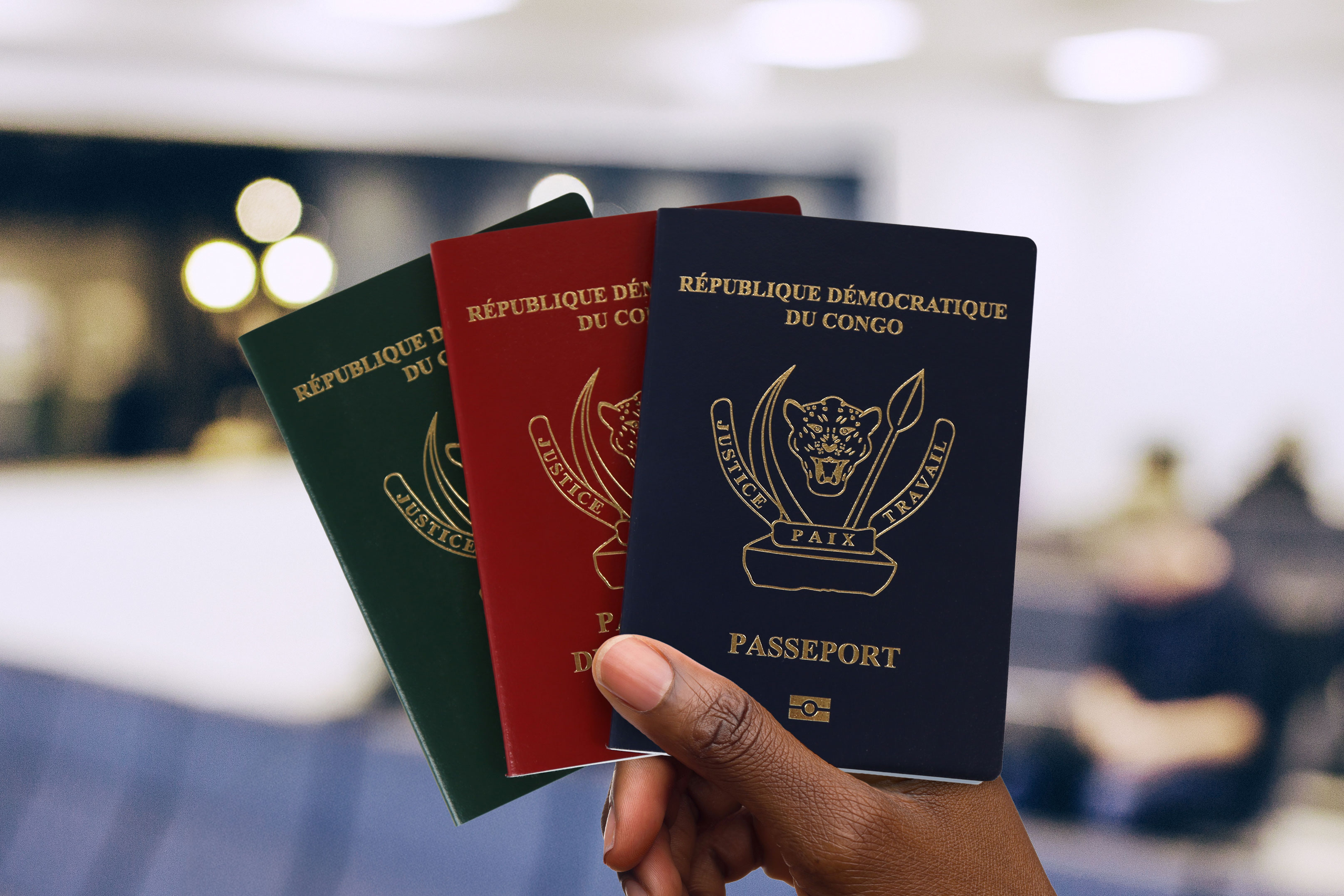
Since citizens of the DRC are among those that need a visa to enter Botswana, you should pay attention to a few specific requirements:
- Your passport must be valid for at least six months from the date of arrival in Botswana.
- Passport should have blank pages for visa stamps.
- If traveling with children: in addition to passport, a full, unabridged birth certificate is required. If a minor is traveling with only one parent or guardian, a parental consent letter is necessary.
- Proof of onward/return ticket or travel itinerary, hotel/reservation booking or confirmed stay plan.
- Recent passport-style photo (or scan/digital version as per eVisa guidelines).
Additionally, while eVisa may not require formal travel-insurance as mandatory, it is strongly recommended. Many travelers opt for insurance to cover emergencies — especially if you plan safari excursions or remote area visits.
How Long Does Botswana eVisa Processing Take for DRC Nationals?

Processing time for Botswana eVisa for DR Congo Citizens depends on which processing tier you select. As per the latest data, applicants typically have three options:
- Standard Processing: about 25–30 working days.
- Rush Processing: roughly 20–25 working days — faster for travellers with nearer departure.
- Super-Rush Processing: about 18–22 working days — useful for last-minute trips.
Because processing times vary, it’s best to apply several weeks before your intended travel date to avoid stress or delays.
Botswana eVisa Validity and Stay Duration for Congo Citizens

Once approved, the eVisa you receive lets you stay in Botswana for the duration specified — single entry or multiple entry depending on what you applied for.
- For a Tourist eVisa (single-entry), the visa is valid for 30 days and allows a stay of up to 30 days.
- For a Tourist eVisa (multiple-entry), the visa validity and stay allowance extend to 90 days — meaning you have up to 90 days to enter Botswana and can stay up to 90 days during each visit within that validity.
- For a Visitor eVisa (for social visits such as visiting friends or relatives, medical visits, social events, etc.), there are single-entry and multiple-entry options. The single-entry Visitor eVisa is valid for up to 90 days. The multiple-entry Visitor eVisa — in certain cases such as dependents of residents — may be granted validity up to two years, allowing multiple entries over that period.
- For a Business eVisa, the single-entry version is valid up to 90 days. Multiple-entry business eVisas may also be valid for a longer period (for example up to one year) to accommodate recurring business visits.
Keep in mind: passport validity and blank pages are essential throughout your stay.
Common Botswana eVisa Mistakes DRC Travelers Should Avoid

When I talk to travellers, many regret not paying attention to some small — but critical — details. To help avoid trouble:
- Don’t wait until the last minute — applying too close to your travel date can create stress if there are delays. Use Standard or Rush depending on time, but give enough buffer.
- Double-check passport validity and blank pages — invalid or nearly-expired passports often cause rejection or denial at the border.
- Provide accurate flight and accommodation info — incomplete or unconfirmed bookings may raise doubts about your travel purpose.
- For children, prepare extra docs — full birth certificate plus parental consent if necessary. An abridged birth certificate alone is usually insufficient.
- Have a copy of the approved eVisa physically with you — don’t rely only on a digital copy or email. It’s safer to carry a printed version.
- Avoid last-minute changes — flight changes, delay in arrival, or unclear itineraries can complicate entry, especially if immigration officials ask for more documentation.
If you avoid these pitfalls, your trip is far more likely to go smoothly.
Is yellow fever vaccine required for Botswana?
Health regulations for entry to Botswana depend on where you are traveling from. According to general travel advice:
- If you are arriving from — or have recently visited — a country where yellow fever is endemic (or a risk area), you must show a valid yellow fever vaccination certificate.
- If not arriving from a yellow-fever risk country, then yellow fever vaccination may not be required.
Because the DRC is often listed among countries with yellow-fever risk, Congolese travelers should be prepared to present a valid yellow fever certificate when entering Botswana. This helps prevent entry denial. This kind of health precaution is important to check before traveling.
Why DRC Travelers Prefer Botswana eVisa Over Traditional Visa

For many Congolese heading to Botswana, eVisa offers advantages over traditional visa routes:
- Convenience: You can apply from anywhere, without needing to visit an embassy or consulate in person.
- Flexibility: Multiple processing speeds (standard, rush, super-rush) let you match application timing to your travel schedule.
- Transparency: Application, document upload, and confirmations are all handled online — easier to track than paperwork.
- Family and Group Travel Friendly: You can submit applications for children or groups together (just ensure each person has their own passport).
- Peace of Mind: Avoid long embassy queues, reduce administrative hassle, and get approval before booking flights.
For a traveller from DRC — especially if there’s no local Botswana embassy or consular office — this digital route often becomes the default.
Botswana eVisa Withdrawal & Refund Policy for Congo Applicants

When applying for Botswana eVisa for DR Congo citizens, it’s wise to know what happens if you have to cancel or withdraw. According to the main eVisa information source:
- Once application processing begins, refunds are usually not guaranteed (or depend on the terms set at application).
- Because processing charges vary depending on speed (standard, rush, super-rush), it’s important to confirm your travel dates before submitting. Last-minute changes may result in losing the processing fee.
- If documents are incomplete or inaccurate, you may face rejection — and likely no refund if the application was already processed.
Bottom line: treat the application as a commitment. Only submit when your travel plans are firm, and double-check all details before you click submit.
Botswana eVisa Entry Ports for Democratic Republic of the Congo Visitors

Once your eVisa is approved and you travel to Botswana, you must enter through official ports — either at the main airports or designated land border posts. This ensures your eVisa is validated properly.
If you fly into the main airport (for example, the capital’s airport), immigration officials will check your passport, eVisa approval, and other entry documents. For land crossings, the same rules apply — you must have printed eVisa, passport, and any other documents requested (return ticket, travel itinerary, etc.).
Because eVisa is electronic, ensure you carry both printed documents and original passport. Officials often require physical copies for stamping and record.
Do Children from the DRC Need a Botswana eVisa?

Yes. If a child (regardless of age) from DRC is traveling to Botswana, they must have a valid passport and a separate eVisa application.
In addition:
- For minors traveling with only one parent or guardian, a consent letter from the non-accompanying parent is usually required.
- A full, unabridged birth certificate (showing both parents’ details) is often mandatory — abridged versions may not be accepted.
So plan early and ensure documents are in order — especially important if traveling as a family or group.
Why Professional Agents Offer Faster Botswana eVisa Processing for DRC Travelers Than Government Portals
Many Congolese travellers consider using trusted professional agencies (botswana-evisa-com) providers. There are a few reasons:
- Assistance with documentation: Agents help ensure passport scans, photos, accommodation proofs, itineraries — everything is correctly formatted and uploaded.
- Guidance on special requirements: For children, families, or travelers with complex itineraries, agents help prepare consent letters, birth certificates, and other supporting docs.
- Faster processing options: Some agents offer expedited processing (rush or “super-rush”) and help avoid delays — useful when travel plans are tight.
- Support with follow-ups: In case of queries or extra requests from authorities, agents can often respond swiftly on behalf of the applicant.
- Convenience and peace of mind: For first-time travelers using eVisa, especially from countries without a local Botswana embassy, agents make the process less stressful and more streamlined.
For those not keen on navigating the eVisa system alone — or with limited time — going with a professional agent can offer both speed and assurance.
Botswana eVisa for Religious Travel and Events for Congo Visitors

If you are traveling from DRC to Botswana for religious purposes — say to attend a spiritual gathering, conference, or event — the general eVisa framework still applies. As long as your stay is short-term (tourist/social/event), you can apply for a visitor eVisa.
You’ll need to indicate the purpose of visit as a religious or social event during application. Provide any relevant invitation/confirmation letters or event documentation if requested. The advantage of eVisa is convenience — especially for group travel for religious or cultural events.
The same rules apply for children or groups: each individual (adult or minor) needs their own application, correct documentation, and proper passport validity.
Botswana eVisa for Large Groups or Families from the DRC
Planning travel for a large family or group from the DRC? Botswana’s online eVisa system can accommodate multiple applications — but you need to ensure:
- Each traveler has their own passport, even infants and children.
- Individual applications: Each person requires a separate eVisa submission.
- Proper documentation for minors: As noted earlier — birth certificates, consent forms if traveling with only one parent.
- Accommodation bookings: If you’re booking lodges, safari lodges or hotels for multiple people, make sure confirmation is valid for the entire group.
- Coordinated application timelines: Applying early gives buffer if any application needs follow-up or gets delayed — especially important when travel plans are linked for a group.
With good planning, a group or family visit to Botswana can be smooth and enjoyable — and the eVisa system makes it simpler than older, paper-based visa regimes.
How to Activate eSIM for Travel to Botswana from the DRC

If you plan to stay connected while traveling in Botswana, using eSIM might be a good option — especially if you don’t want to hunt for local physical SIMs on arrival. Although Botswana doesn’t enforce eSIM use, here are some general tips:
- Ensure your phone is eSIM-compatible before traveling.
- Check with your local (DRC-based) mobile carrier if they offer international roaming or eSIM travel plans; if not, consider purchasing a local eSIM from a Botswana telecom provider once you land.
- For safari or remote travel — remote lodges might have limited connectivity; in such cases, local SIM or eSIM with data coverage is ideal.
- Keep backup: carry a physical SIM or allow the possibility to buy a local SIM — some travelers do both (local SIM + eSIM) to ensure connectivity across regions.
Good connectivity makes planning, navigation, taxi/hotel bookings, and emergency communication easier — especially when traveling across Botswana’s vast and remote landscapes.
Botswana eVisa for Students from Democratic Republic of the Congo

If you are a student from DRC and plan to travel to Botswana — for short courses, exchange programs or short-term study visits — the visitor eVisa system can still be used, provided your stay is short-term and you are not enrolling for full-time degree courses.
You would need to categorize the purpose of travel as “short-term course” or “recreational/educational visit” on the application. Provide any relevant acceptance or invitation letters from the Botswana institution or program.
For longer academic programs, you may need a different kind of visa (student visa), which may involve other requirements beyond the standard eVisa — so check carefully depending on your plans.
Botswana eVisa Travel Insurance Requirements for Congo Citizens

While the eVisa documentation for visitors from DRC does not strictly mandate travel or health insurance, it is strongly advised — especially for those going on safaris, nature excursions or remote area trips. According to travel advisories:
- Medical emergencies, accidents, or unexpected delays are better covered with a proper travel insurance plan.
- Some safari lodges or guided tours may require proof of insurance before booking — so it’s a practical safety net if you plan to explore wildlife reserves or remote areas.
- Insurance also helps with flight delays/changes, medical evacuation, lost luggage — giving you peace of mind throughout the journey.
Hence, although not mandatory, I strongly recommend you get comprehensive travel and medical coverage before flying to Botswana.
Final Thoughts
Travelling from the Democratic Republic of the Congo to Botswana is a thrilling prospect — rich wilderness, diverse wildlife, and an opportunity to explore some of Africa’s most pristine landscapes. Navigating a Botswana eVisa for DR Congo Citizens might seem a bit intimidating the first time, but with careful preparation, the process is straightforward and traveler-friendly.
From passport readiness and booking confirmations to choosing the right processing option and packing your documents — each step laid out properly helps guarantee a smooth journey. Add to that a bit of flexibility, travel insurance, and awareness of local health requirements (like yellow fever vaccination), and you’ll be well on your way to a worry-free adventure in Botswana.
Whether you are traveling solo, with family, as part of a group, for safari, study, or even religious travel — Botswana opens its doors through eVisa, ready for explorers from the DRC.
FAQs: Botswana eVisa for DR Congo Citizens
Q: Do I, as a Congolese (DRC) passport holder, need a visa to enter Botswana?
A: Yes — citizens of the DRC are among those required to apply for a visa (such as an eVisa) before travel.
Q: How long does it take to get the Botswana eVisa for DR Congo Citizens?
A: Depending on the processing option chosen, it can take about 25–30 working days (standard), or faster via rush (20–25) or super-rush (18–22) working days.
Q: Does my child (even an infant) need a separate eVisa if traveling with me?
A: Yes — every traveler, including children, needs their own passport and separate eVisa application. For minors, additional documentation (full birth certificate, parental consent if needed) may be required.
Q: Is a yellow fever vaccination certificate mandatory for travellers from DRC to Botswana?
A: Generally yes — since DRC is among countries considered risk areas, arriving passengers are often required to show a valid yellow fever vaccination certificate.
Q: Is travel insurance required for eVisa?
A: It is not strictly mandatory, but strongly recommended — especially for safaris, remote travel, or activities that may involve risk. Insurance helps cover emergencies, delays, or unforeseen events.
Q: Can I enter and re-enter Botswana with a multiple-entry eVisa?
A: Yes — if you apply and receive a multiple-entry eVisa, it allows you to leave and return under the same visa, which is useful for travellers planning trips outside Botswana and return visits.
Q: What happens if my eVisa application is rejected or I need to cancel?
A: Rejections often result if documents are incomplete or inaccurate. Once processing begins, refunds are not guaranteed, so it’s best to apply only when your travel plan is firm.




Leave a Comment