
Edgebander Machines Explained: Types, Features, and Benefits
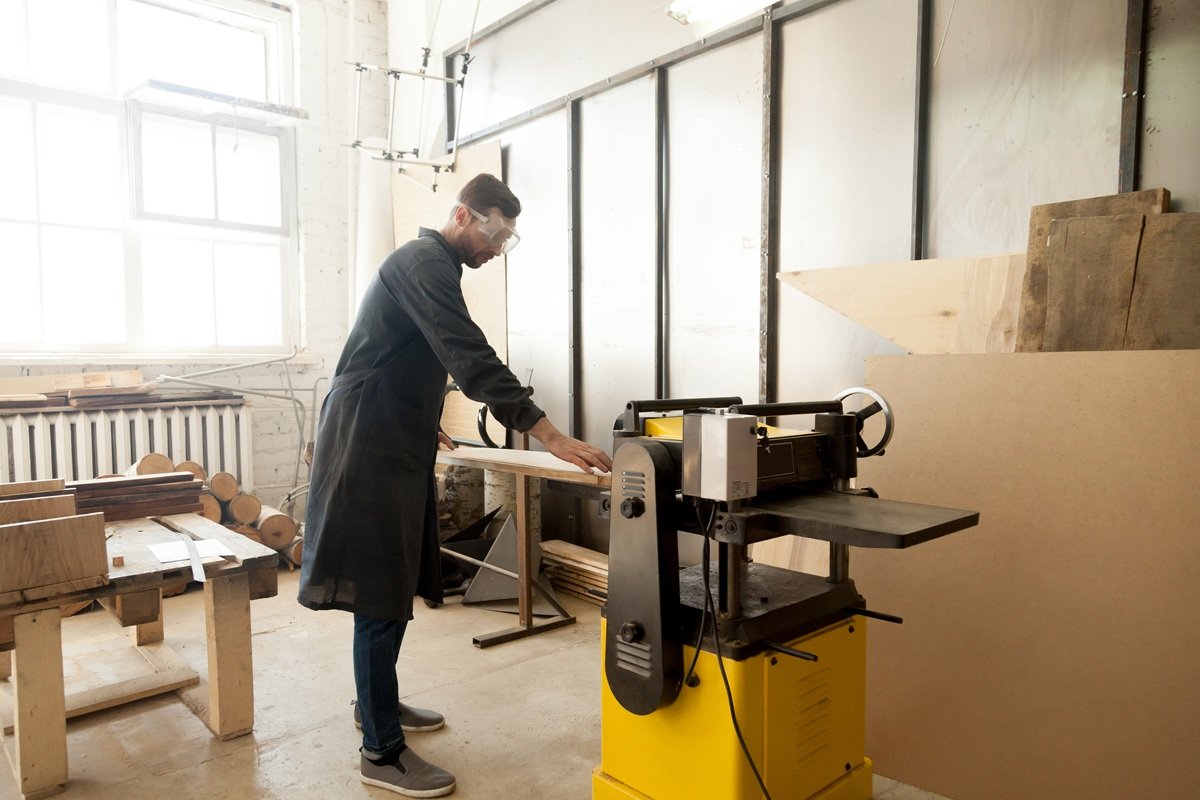
Ever wondered what gives professionally made furniture that sleek, polished look? Have you noticed how high end cabinets have those perfectly finished edges that just feel premium to the touch? The secret often lies in a piece of equipment that many woodworkers consider absolutely essential: the edgebander machines.
Whether you’re running a bustling furniture manufacturing operation or you’ve just set up a small workshop in your garage, understanding edgebander machines can transform the quality of your work. These clever devices apply protective and decorative strips to the exposed edges of panel materials, turning rough looking MDF or particleboard into something that looks genuinely professional. It’s the difference between amateur hour results and work you’d be proud to show off.
In this guide, we’ll walk you through everything you need to know about edgebander machines. You’ll discover how they work, explore the different types available, and learn which features matter most for your specific needs. We’ll also cover the costs involved, maintenance tips, and how to pick the right machine for your workshop. By the end, you’ll have all the knowledge needed to make a smart investment that could seriously level up your woodworking game.
How Does an Edgebander Machines Work?
The Edgebanding Process Step-by-Step
The edgebanding process might seem complicated at first glance, but it’s actually quite straightforward once you break it down. First, the machine feeds your panel through using rollers or a chain system. As the panel moves along, the machine applies adhesive to the edge usually through a heated glue pot or cartridge system.
Next, the edgebanding material gets pressed firmly against the glued edge. This material might be PVC, ABS, melamine, or even real wood veneer, depending on your project requirements. The pressure ensures a strong bond forms between the tape and the panel edge.
Finally, the machine trims away any excess material from the top and bottom of the edge, then buffs it smooth. Some machines add extra finishing touches like corner rounding or scraping to make that seamless appearance we all love.
Key Components of an Edgebander Machines
Every edgebander machines shares some fundamental components. The glue system is the heart of the operation, melting and applying adhesive at precisely the right temperature. The pressure rollers ensure the edgebanding material bonds properly to the panel.
Trimming units remove excess material from both ends, while end cutting mechanisms handle the leading and trailing edges. More advanced machines include buffing wheels for that final polished look. Understanding these components helps you troubleshoot issues and maintain your machine properly.
Types of Edgebander Machines
Manual Edgebanders
Manual edgebanders are the entry point for most small workshops. You feed the panel through by hand, controlling the speed and pressure yourself. They’re affordable, compact, and perfect for low volume work or hobbyists just getting started.
The trade off is obvious: they’re slower and require more skill to achieve consistent results. However, for someone producing a few pieces per day, they’re absolutely fit for purpose.
Semi-Automatic Edgebander Machines
Semi-automatic machines bridge the gap between manual operation and full automation. They typically feature powered feed systems, so you don’t need to push panels through manually. The machine handles the gluing and pressing automatically.
These machines suit workshops with moderate production needs. You’ll still perform some tasks manually, like loading edgebanding material, but the core process is mechanised.
Fully Automatic Edgebanders
For high volume production, fully automatic edgebanders are the gold standard. These machines handle everything from feeding to trimming, buffing, and even corner rounding without manual intervention. Some models process panels at speeds exceeding 20 metres per minute.
The investment is significant, but the productivity gains are substantial. Furniture manufacturers and large cabinet makers typically opt for these powerhouses.
Portable vs Stationary Edgebanders
Portable edgebanders offer flexibility for on site work or cramped workshops. They’re lightweight and can be moved around as needed. Stationary machines, conversely, provide stability and often more features, but they require dedicated floor space.
Which Type of Edgebander Is Best for Small Workshops?
For small workshops, semi automatic edgebanders often hit the sweet spot. They offer enough automation to improve efficiency without the massive price tag of fully automatic models. Look for compact machines with essential features like end trimming and basic glue systems. Your space constraints and typical production volume should guide your final decision.
Essential Features to Look for in an Edgebander
Glue Application Systems: EVA vs PUR
EVA (ethylene vinyl acetate) glue is the traditional choice affordable, easy to use, and suitable for most applications. However, PUR (polyurethane reactive) glue creates stronger, more moisture-resistant bonds. PUR is ideal for kitchens and bathrooms where humidity is a concern.
The downside? PUR systems cost more and require more careful handling. For general furniture work, EVA performs brilliantly. For demanding environments, PUR is worth the extra investment.
Trimming and Buffing Capabilities
Quality trimming units make the difference between edges that look hand-finished and those that appear factory made. Look for machines with adjustable trimming heads that can handle various edgebanding thicknesses.
Buffing units add that final polished appearance, removing any slight imperfections left by trimming. Machines without buffing capabilities may require additional hand finishing.
Speed and Feed Rate Options
Feed rates typically range from 3 metres per minute on entry-level machines to over 25 metres per minute on industrial models. Consider your production requirements carefully. Faster isn’t always better if you’re sacrificing quality or don’t need the throughput.
What Features Should a Good Edgebander Machines Have?
A quality edgebander machines should include reliable glue application, precise trimming, and consistent pressure. Temperature controls, adjustable feed speeds, and easy access panels for maintenance are valuable additions. Pre-milling units help achieve better results on panels with imperfect edges.
Benefits of Using an Edgebander Machine
Improved Production Efficiency
Even a basic edgebander dramatically speeds up your workflow compared to manual edge finishing. What might take fifteen minutes by hand can be completed in under a minute. Multiply that across dozens of panels, and the time savings become enormous.
Professional-Quality Finishes
Edgebander machines deliver consistent, repeatable results that are difficult to achieve manually. Every edge comes out looking identical, which is crucial for fitted furniture and kitchen installations where inconsistencies would be immediately obvious.
Cost Savings Over Time
While the upfront investment might seem steep, edgebanders reduce labour costs significantly. Less time spent on edge finishing means more time for other productive work. The machine also minimises material waste through precise application.
Versatility Across Materials
Modern edgebanders handle everything from thin melamine tape to thick solid wood lipping. This versatility means one machine can serve multiple project types, from budget flat-pack furniture to premium custom pieces.
.jpg)
Edgebander Machines for Different Applications
Edgebanders for Cabinet Making
Cabinet makers need machines that handle standard 19mm and 16mm boards efficiently. Look for models with good end-trimming capabilities, as cabinets have many visible edges. Corner rounding features are particularly valuable for kitchen cabinets that see daily use.
Edgebanders for Furniture Manufacturing
Furniture manufacturers often require higher speeds and the ability to handle varied edgebanding materials. Machines with quick-change systems for swapping between different edge tapes save considerable time during production runs.
Best Edgebander for Beginners
Beginners should start with a reliable semi-automatic machine from an established brand. Prioritise ease of use and good after-sales support over advanced features you might not need initially. As your skills develop, you can always upgrade.
Maintenance and Care Tips
Regular maintenance keeps your edgebander running smoothly for years. Clean glue residue from pots and rollers daily. Check and replace trimming blades when they become dull sharp blades prevent chipping and tearing.
Common problems include poor adhesion (usually a temperature issue), uneven trimming (blade adjustment needed), and feed problems (check roller condition). Most issues are easily resolved with basic troubleshooting and routine care.
Choosing the Right Edgebander Machines for Your Workshop
Assess your production needs honestly. How many panels do you edge daily? What materials and thicknesses do you work with most frequently? These answers guide your choice more than any marketing material.
Consider your available space and budget realistically. A compact machine that fits your workshop and budget will serve you better than an oversized model you can’t afford to maintain properly.
Making the Right Investment for Your Business
Choosing an edgebander machines is a significant decision that deserves careful thought. We’ve covered the essential types from manual units perfect for hobbyists to fully automatic systems for high-volume production. The features that matter most depend entirely on your specific applications, whether that’s cabinet making, furniture manufacturing, or general woodworking.
The benefits are clear: improved efficiency, professional finishes, and long-term cost savings make edgebanders worthwhile investments for serious woodworkers. Even entry level machines can transform the quality of your output dramatically.
Take your time evaluating your needs, consider your budget honestly, and don’t be afraid to start smaller and upgrade later. The right edgebander will pay for itself many times over through improved productivity and superior results. Your future self and your customers will thank you for making a smart, informed choice.

Leave a Comment