

Eid Traditions Among Mongolia’s Muslim Communities
When most travelers think of Mongolia, they picture endless grasslands, nomadic herders, and the dramatic beauty of the Gobi Desert. Yet beyond its sweeping steppes lies a rich cultural diversity that surprises many visitors. Among this diversity are Mongolia’s Muslim Communities, whose Eid celebrations add a unique spiritual and cultural layer to the country’s heritage.
If you’re planning a cultural journey using a trusted Mongolia cultural travel guide, understanding how Eid is observed can deepen your appreciation for the traditions, hospitality, and identity of these communities. With Go Kite Tours, travelers can discover a side of Mongolia that blends Central Asian heritage, Islamic customs, and nomadic warmth in unforgettable ways.
A Glimpse Into Islam in Mongolia
Islam has been part of Mongolia’s cultural landscape for centuries, particularly among the Kazakh ethnic minority in western Mongolia. Most Muslims in the country live in the Bayan-Ölgii province, near the borders with Kazakhstan, China, and Russia. Here, Islamic traditions blend naturally with nomadic customs, creating a fascinating cultural balance.
While Mongolia is predominantly Buddhist, Mongolia’s Muslim Communities maintain their faith practices with pride and devotion. Their religious celebrations, especially Eid al-Fitr and Eid al-Adha, are meaningful occasions that bring families and neighbors together.
Eid al-Fitr: A Celebration of Gratitude
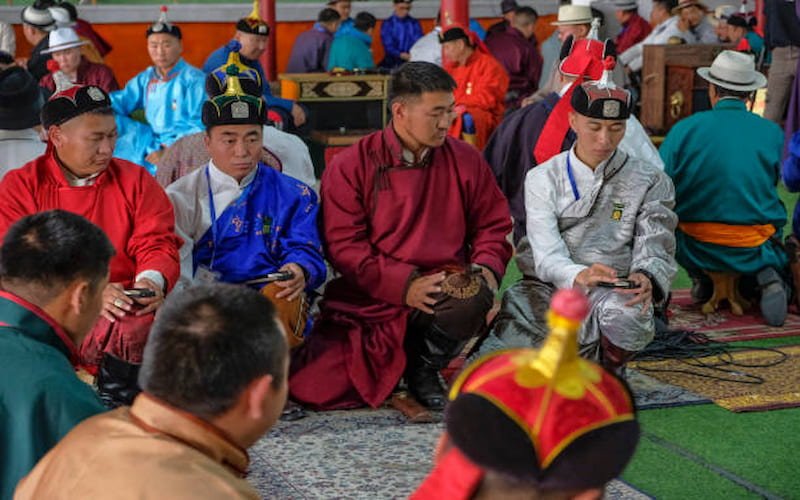
Eid al-Fitr marks the end of Ramadan, the holy month of fasting. In western Mongolia, the festival begins with early morning prayers at local mosques. Men, women, and children dress in their finest traditional clothing—often colorful Kazakh attire adorned with embroidery and fur accents.
After prayers, families return home to share festive meals. Tables are filled with traditional dishes such as:
- Beshbarmak (boiled meat served over pasta sheets)
- Baursak (fried dough pieces)
- Dairy products like yogurt and cheese
- Sweet treats and tea
Hospitality is central to the celebration. Homes remain open to guests throughout the day, and it’s common for people to visit relatives and neighbors, offering greetings and sharing food. Visitors are warmly welcomed, making it an enriching cultural experience for travelers.
For those interested in authentic cultural immersion, witnessing Eid among Mongolia’s Muslim Communities offers insight into both faith and nomadic generosity.
Eid al-Adha: Faith and Community Spirit
Eid al-Adha, known as the Festival of Sacrifice, is another important occasion. It commemorates the story of Prophet Ibrahim’s devotion and willingness to sacrifice. In Mongolia’s Muslim regions, families who are able perform the ritual sacrifice of livestock, typically sheep. The meat is divided into portions for family, relatives, and those in need.
Charity plays a vital role during Eid al-Adha. Supporting less fortunate families strengthens bonds within the community and reflects the core Islamic value of compassion.
Travelers observing this festival will notice how seamlessly faith practices blend with Mongolia’s pastoral lifestyle. Herding animals is already central to nomadic life, so the rituals feel both spiritual and culturally grounded.
Traditional Dress and Cultural Identity
Eid celebrations are also a time to showcase cultural pride. Many Kazakh Muslims wear traditional clothing that reflects their heritage. Women may wear elaborately embroidered dresses and tall ceremonial headdresses, while men often wear long coats known as “chapan.”
The fusion of Islamic traditions with Kazakh nomadic style creates a visually striking and deeply meaningful celebration. Photography enthusiasts will find vibrant scenes, but it’s always respectful to ask permission before taking pictures.
These traditions highlight how Mongolia’s Muslim Communities preserve their identity while contributing to Mongolia’s multicultural fabric.
The Role of Family and Elders
Family bonds are especially strong during Eid. Younger members greet elders with respect, often bowing slightly and offering blessings. Elders, in turn, give prayers and sometimes small gifts or money to children.
Storytelling is another cherished tradition. Evenings may be spent sharing family histories, tales of migration, and memories of past celebrations. This oral tradition connects generations and preserves cultural knowledge.
For travelers, participating respectfully in these gatherings—when invited—offers a rare glimpse into authentic daily life beyond tourist attractions.
Visiting During Eid: Travel Tips
If you’re planning to travel to western Mongolia during Eid, here are a few helpful tips:
- Dress modestly when visiting mosques or attending community events.
- Respect prayer times and religious customs.
- Accept hospitality graciously—refusing food may be seen as impolite.
- Learn basic greetings such as “Eid Mubarak.”
Traveling during this time provides a meaningful perspective on Mongolian diversity. With thoughtful planning, your journey becomes more than sightseeing—it becomes cultural understanding.
A Unique Cultural Experience
What makes Eid in Mongolia truly special is the harmony between religion and nomadic life. You may see families traveling across vast landscapes to gather with loved ones or sharing meals inside traditional gers (yurts). The backdrop of mountains and open skies adds a powerful natural setting to spiritual celebrations.
Experiencing Eid with Mongolia’s Muslim Communities reminds visitors that Mongolia is not only about dramatic scenery but also about people, heritage, and heartfelt traditions.
Conclusion
Eid celebrations in Mongolia reveal a beautiful blend of faith, hospitality, and nomadic heritage. From early morning prayers to generous feasts shared in traditional homes, the experience is both spiritual and culturally rich. Travelers who seek deeper connections will find that exploring these traditions adds depth and meaning to their journey.
With thoughtfully designed Mongolia holiday packages from Go Kite Tours, you can explore breathtaking landscapes while also discovering the cultural treasures hidden within Mongolia’s diverse communities.
FAQs
1. Where are most Muslims located in Mongolia?
Most Muslims live in western Mongolia, particularly in the Bayan-Ölgii province, where the Kazakh community is prominent.
2. Can tourists attend Eid celebrations in Mongolia?
Yes, visitors are often welcomed warmly, especially if they are respectful of local customs and dress modestly.
3. What makes Eid in Mongolia unique compared to other countries?
Eid in Mongolia blends Islamic traditions with Kazakh nomadic culture, creating a distinctive celebration set against Mongolia’s vast natural landscapes.

Leave a Comment