

Complete Guide to Toilet Installation and Faucet Repair for a Functional Home Pl
A well-maintained plumbing system is one of the most important parts of any home, ensuring comfort, hygiene, and efficiency in daily living. Two of the most common yet essential plumbing tasks homeowners encounter are toilet installation and faucet repair. Whether you are upgrading old fixtures, dealing with leaks, or building a new bathroom, understanding these processes can save both time and money while preventing future plumbing issues.
Toilet installation is often viewed as a complex task, but with the right approach and preparation, it becomes a manageable home improvement project. On the other hand, faucet repair is a frequent maintenance need that can arise from wear and tear, mineral buildup, or internal component failure. Both tasks require attention to detail and a basic understanding of plumbing systems to ensure long-lasting results.
When it comes to toilet installation, the process begins with selecting the right type of toilet for your bathroom. Modern toilets come in various designs, including one-piece, two-piece, wall-mounted, and water-saving models. Choosing the right option depends on bathroom space, water efficiency goals, and budget considerations. Once the toilet is selected, proper removal of the old unit is essential. This includes shutting off the water supply, draining the tank, and carefully detaching the fixture from the floor flange.
Preparing the floor and flange is a critical step in toilet installation. Any old wax ring must be removed, and the surface should be cleaned thoroughly to ensure a proper seal. A new wax ring is then placed, which helps prevent leaks and odors. The toilet is carefully positioned over the flange bolts and pressed down evenly to create a secure seal. Once aligned, the bolts are tightened, but not over-tightened, to avoid cracking the porcelain.
After securing the toilet, the next step in toilet installation is connecting the water supply line and turning the water back on. The tank is allowed to fill, and a series of flush tests are performed to ensure everything is working correctly. Any signs of wobbling or leakage must be addressed immediately to avoid future damage. Proper toilet installation ensures stability, efficiency, and long-term reliability for daily use.
While toilet installation is typically done during renovations or replacements, faucet repair is a more frequent maintenance task that homeowners often face. Faucets are used multiple times a day, making them prone to dripping, leaking, or reduced water pressure over time. These issues are not only annoying but can also lead to increased water bills and potential water damage if left unaddressed.
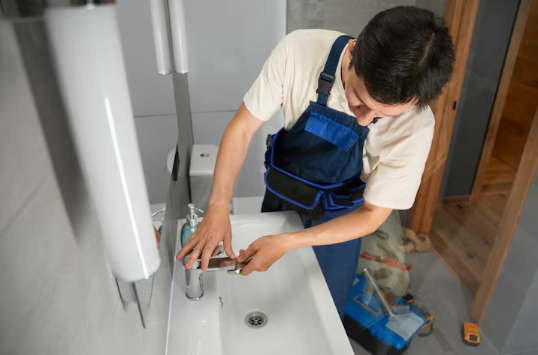
One of the most common problems that requires faucet repair is a persistent drip. This is usually caused by worn-out washers, O-rings, or cartridges inside the faucet mechanism. To begin faucet repair, the water supply must be turned off to prevent further leakage. The faucet handle is then disassembled carefully to access internal components. Replacing damaged parts often resolves the issue and restores proper function.
Another aspect of faucet repair involves dealing with low water pressure. This is often caused by mineral buildup in the aerator, which is the small screen located at the tip of the faucet. Cleaning or replacing the aerator can significantly improve water flow. In some cases, deeper faucet repair may be needed if corrosion or internal damage is present within the valve system.
Just like toilet installation, faucet repair requires attention to detail and proper handling of plumbing components. Using the correct tools and replacement parts is essential for achieving a successful repair. Ignoring minor faucet issues can eventually lead to more serious plumbing problems, including pipe damage or mold growth due to constant moisture.
Homeowners who invest time in understanding both toilet installation and faucet repair are better prepared to maintain their plumbing systems efficiently. While toilet installation is typically a one-time or occasional project, faucet repair is an ongoing maintenance task that ensures water efficiency and prevents unnecessary waste.
In many modern homes, water conservation is also an important consideration during both toilet installation and faucet repair. Installing low-flow toilets and repairing leaking faucets promptly can significantly reduce water consumption. This not only benefits the environment but also lowers utility bills over time.
Another important factor in both toilet installation and faucet repair is knowing when to seek professional help. While many minor faucet issues can be resolved with basic tools, complex plumbing problems or improper toilet installation can lead to costly repairs if not handled correctly. Professional plumbers have the expertise to ensure everything is installed or repaired according to building codes and safety standards.
Proper maintenance after toilet installation and faucet repair also plays a key role in extending the lifespan of plumbing fixtures. Regular inspections, gentle cleaning, and prompt attention to leaks or unusual noises can help prevent larger issues from developing. Simple habits like avoiding harsh chemicals and checking seals periodically can make a significant difference.
In conclusion, both toilet installation and faucet repair are essential aspects of home plumbing maintenance that every homeowner should understand. While toilet installation ensures a properly functioning and efficient bathroom setup, faucet repair helps maintain water flow, prevent leaks, and reduce waste. By learning the basics of these tasks and knowing when to call a professional, homeowners can keep their plumbing systems in excellent condition for years to come.
Location



















Leave a Comment