

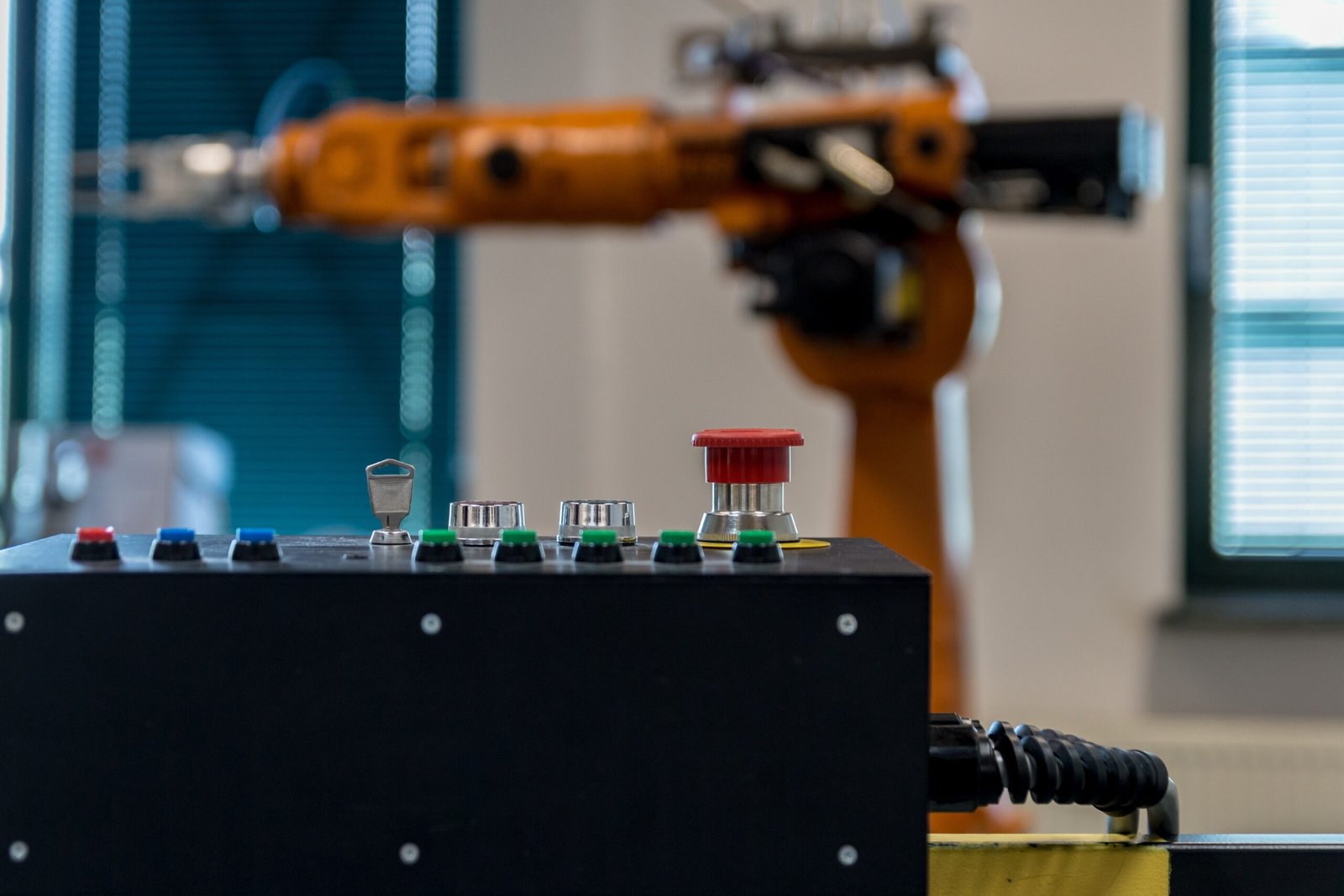
Industrial Automation Control System
An industrial automation control system is the backbone of modern manufacturing and processing industries. These systems integrate advanced technologies to streamline operations, reduce human intervention, and maximize efficiency. Businesses today rely on such systems for increased productivity, cost savings, and error-free results. If you’re considering implementing automation in your operations, here’s everything you need to know about its importance, benefits, and practical applications.
Why Are Industrial Automation Control Systems Vital?
The industrial sector constantly evolves, and the demand for precision and speed is higher than ever. Industrial automation control systems bridge the gap by ensuring seamless processes. These systems utilize hardware and software to manage machines and production lines with minimal errors and downtime.
Automation is no longer a luxury; it’s a necessity for industries aiming to stay competitive in global markets. By investing in automation, companies can meet customer demands while cutting costs and protecting their bottom line.
Key Benefits of Industrial Automation Control Systems
1. Enhanced Efficiency and Productivity
Automation is synonymous with speed and accuracy. With systems in place, businesses can complete tasks exponentially faster and with greater precision than manual methods. For example, assembly lines equipped with robotic arms can manufacture products around the clock without fatigue.
This efficiency not only accelerates production cycles but also empowers businesses to take on larger orders and scale operations effectively.
2. Cost Reduction
While the upfront cost of industrial automation control systems may seem significant, the long-term savings are immense. These systems reduce the need for extensive manual labor, minimize mistakes, and optimize resource usage. Over time, these savings outweigh initial investments, offering a high return on investment.
Additionally, automation systems lower operational costs by reducing waste. For instance, precise control systems ensure that raw materials are utilized efficiently, leaving little to no room for wastage.
3. Better Workplace Safety
One of the most overlooked benefits of automation is its impact on workplace safety. With automated machinery handling repetitive, dangerous, or high-risk tasks, the chances of workplace injuries significantly decline. Workers can focus on oversight and strategic roles, away from hazardous environments.
Automation not only improves worker well-being but also fosters a culture of safety within organizations.
4. Consistency and Quality Control
Automated control systems ensure uniform outputs with every production cycle. Unlike manual operations, which are prone to human error, automation delivers consistent quality. Industries like automotive, food processing, and pharmaceuticals rely on automation to meet stringent quality standards and maintain customer trust.
5. Scalability and Flexibility
Industrial automation control systems are highly adaptable. They are designed to integrate with existing processes and can be scaled up or down based on demand. For example, businesses can tweak control parameters to accommodate new production lines or expand their operations with minimal downtime.
If you’re ready to explore these unparalleled benefits, visit Xtreme Automation LLC, a leader in industrial automation solutions.
Applications Across Different Industries
Manufacturing
The manufacturing industry was one of the first adopters of automation control systems. Automated machinery assembles products with incredible speed and precision. Robotics, computer-controlled systems, and industrial PCs are just a few technologies transforming manufacturing plants worldwide.
Oil and Gas
Automation in oil and gas ensures smooth pipeline operations, drilling processes, and monitoring environmental regulations. Systems use sensors to collect real-time data, ensuring proactive issue resolution and optimal performance in this demanding field.
Healthcare and Pharmaceuticals
Automation has revolutionized drug manufacturing and medical device production. Control systems facilitate precise measurements, sterile environments, and compliance with strict industry standards.
Food and Beverage
Industrial automation control systems ensure food safety and consistency in production. From sorting raw ingredients to packaging, automation plays a critical role. It helps industries meet high consumer demands while maintaining quality and safety compliance.
Energy and Utilities
Automation has a significant impact on power generation, water management, and renewable energy sectors. Control systems optimize energy outputs, reduce waste, and ensure efficient distribution across grids.
Choosing the Right Automation Partner
Success with industrial automation control systems largely depends on selecting the right partner. Companies like Xtreme Automation LLC offer tailored solutions to meet unique operational needs. They specialize in integrating advanced systems that boost efficiency, reduce costs, and enhance safety.
When choosing a provider, consider their industry expertise, ability to customize, and long-term support services. Collaborating with an experienced partner ensures a smooth transition to automated systems and a significant return on your investment.
Getting Started with Industrial Automation
Implementing an industrial automation control system is an essential step for companies looking to boost efficiency and maintain a competitive edge. The process begins with evaluating current operations and identifying areas that can benefit from automation. Next, businesses should work with experts to design and implement a scalable solution tailored to their specific needs.
With the right partners and technology, automation can drive innovation, improve ROI, and position your company as a leader in your industry. For cutting-edge solutions in industrial automation, trust Xtreme Automation LLC to help you achieve your goals efficiently and effectively.
By tapping into the power of industrial automation, you’ll not only enhance day-to-day operations but also lay the groundwork for a future defined by growth and innovation. Start your automation transformation today and see the difference it makes in your operations!
Location
Business Hours






Leave a Comment