

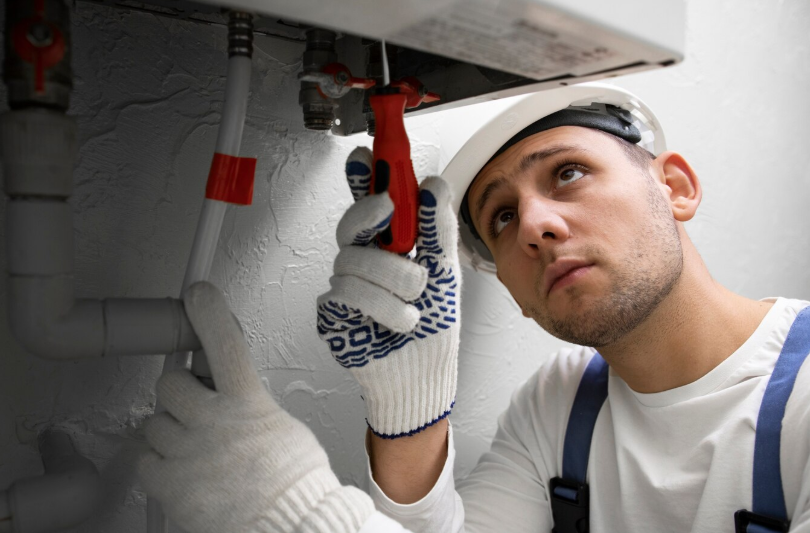
The Complete Guide to Furnace Repair and Heating and Air Conditioning Repair
When your home’s comfort is on the line, few things are more stressful than dealing with a broken furnace or malfunctioning HVAC system. Whether it’s the middle of a winter freeze or the peak of summer heat, a reliable heating and air conditioning system is essential for comfort, safety, and energy efficiency. In this guide, we’ll walk you through everything you need to know about furnace repair and heating and air conditioning repair—from common problems and warning signs to tips on finding the right professional for the job.
Why Timely HVAC Repair Is Crucial
Your HVAC system isn’t just about comfort—it’s also about protecting your home and health. A malfunctioning furnace in the winter can lead to frozen pipes and skyrocketing utility bills. On the other hand, a broken AC unit in summer can make indoor temperatures dangerous, especially for children, seniors, and pets.
Timely heating and air conditioning repair can prevent minor issues from becoming major ones. Routine maintenance and fast response to warning signs can significantly extend the life of your HVAC system and help keep your energy bills in check.
Common Furnace Repair Issues
Furnaces are complex machines that can encounter a variety of problems over time. Here are some of the most common furnace repair issues homeowners face:
Ignition or Pilot Light Problems
If your furnace isn’t producing heat, the pilot light or ignition system may be the culprit. Modern furnaces use electronic ignition, while older models have standing pilot lights. Dirty sensors, broken thermocouples, or faulty ignition switches can prevent your system from starting.
Dirty or Clogged Filters
Clogged air filters restrict airflow, forcing your furnace to work harder and reducing efficiency. Dirty filters can also cause overheating and damage internal components over time. Replacing filters every 1–3 months is an easy DIY task that can prevent many repair calls.
Frequent Cycling
If your furnace is turning on and off too frequently (short cycling), it could be due to an oversized unit, a dirty filter, a malfunctioning thermostat, or improper airflow. Short cycling not only affects comfort but also increases wear and tear on the system.
Blower Issues
The blower is responsible for distributing heated air throughout your home. If it’s making loud noises, running continuously, or failing to run at all, it could be a sign of worn-out belts, motor failure, or electrical issues.
Thermostat Malfunctions
Sometimes, the issue lies not with the furnace itself, but with the thermostat. If your thermostat is old, improperly calibrated, or unresponsive, your entire HVAC system might not function properly.
Signs You Need Heating and Air Conditioning Repair
Your heating and air conditioning system often gives subtle hints before it breaks down completely. Being proactive when you notice these signs can save money and stress:
Inconsistent temperatures across rooms
Unusual noises like banging, grinding, or squealing
Poor airflow or weak ventilation
Higher energy bills without increased usage
Odd smells coming from vents
System constantly running or short-cycling
If you notice any of these red flags, don’t wait. Call a professional to perform a full inspection and diagnosis.
DIY Maintenance Tips
While many repairs should be left to professionals, there are simple maintenance steps homeowners can take to reduce the need for costly heating and air conditioning repair services:
Change your air filters regularly.
Keep your vents and registers clean and unobstructed.
Schedule seasonal inspections (ideally in spring for AC, fall for furnace).
Keep your outdoor AC unit free of leaves, debris, and grass.
Test your thermostat and change the batteries annually.
Make sure your home is well-insulated to reduce system strain.
These preventative steps can go a long way in maintaining your HVAC system’s performance and extending its lifespan.
Hiring a Professional for Furnace Repair
When it comes to furnace repair, hiring the right HVAC technician makes all the difference. Here’s what to look for:
Certification and Licensing
Ensure your technician is certified by organizations like NATE (North American Technician Excellence) and holds all state-required licenses.
Experience
Look for a company with experience handling the specific make and model of your furnace or AC system. Ask how long they’ve been in business and check online reviews for feedback.
Transparent Pricing
Reputable HVAC companies provide detailed estimates and avoid hidden fees. Don’t be afraid to shop around or ask for quotes from multiple companies.
Emergency Services
Heating and cooling issues don’t always happen during regular business hours. Find a company that offers 24/7 emergency services in case your furnace goes out in the middle of the night.
When to Consider Replacing Instead of Repairing
While most HVAC issues can be repaired, there are times when replacement makes more sense. Consider replacing your system if:
Your furnace or AC unit is 15–20 years old or more.
You’re facing frequent repairs that add up in cost.
Your energy bills are steadily rising.
The system uses outdated or banned refrigerants (like R-22).
Your HVAC unit is undersized or oversized for your home.
Upgrading to an energy-efficient unit can not only improve comfort but also save money in the long run through lower operating costs and potential rebates or tax credits.
Final Thoughts
Keeping your home comfortable year-round depends on the reliability of your heating and air conditioning systems. Whether you’re dealing with a failing furnace in the dead of winter or an unresponsive air conditioner during a heatwave, prompt furnace repair and heating and air conditioning repair services are essential.
Preventative maintenance, fast response to warning signs, and hiring qualified professionals are the keys to keeping your HVAC system running efficiently for years to come. Don’t wait for a full system failure—take control of your comfort today by scheduling regular inspections and addressing small issues before they become big problems.
Location







Leave a Comment