

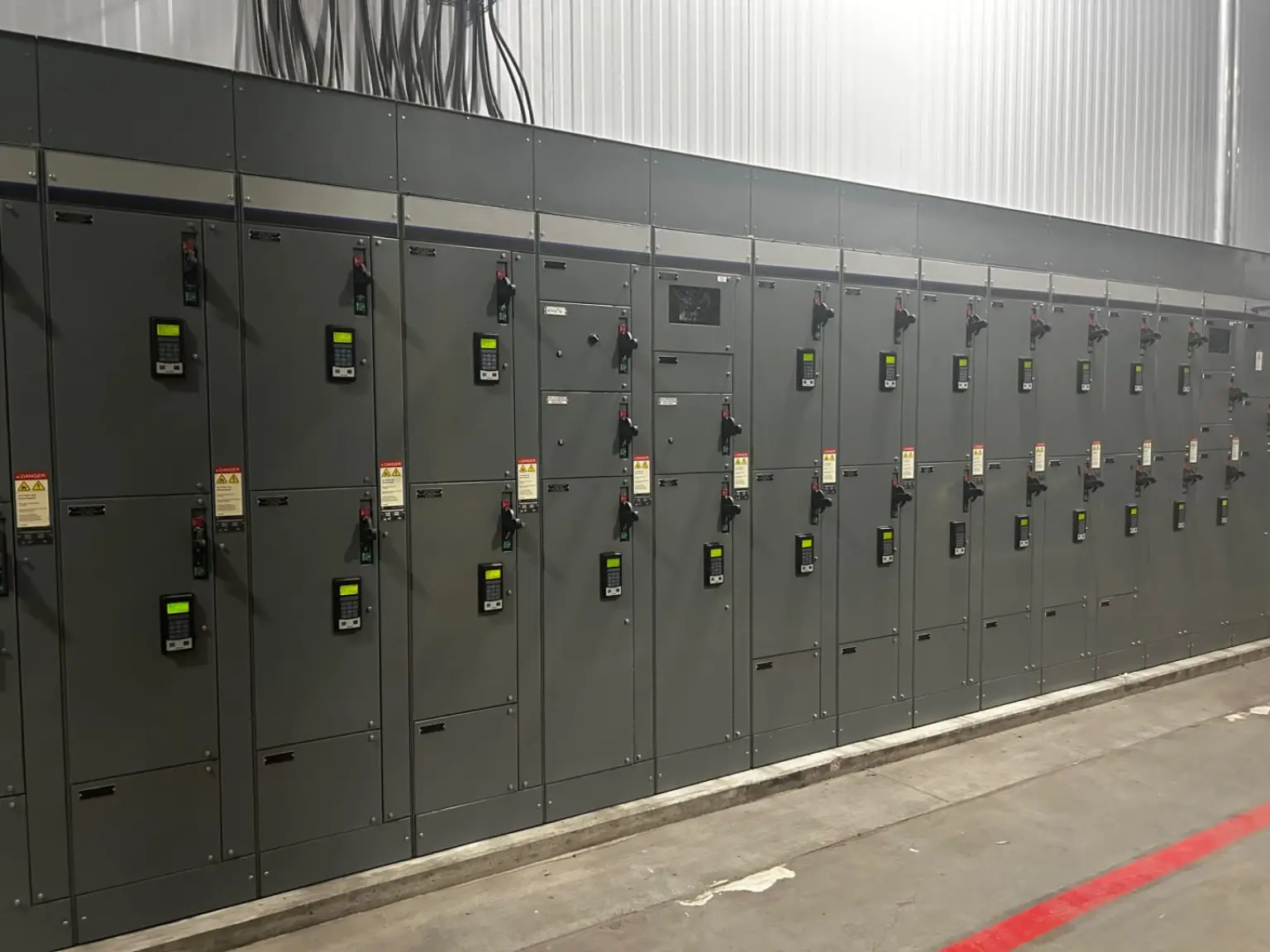
Factory Automation Industry
The factory automation industry is at the forefront of a technological revolution, reshaping manufacturing processes and setting new standards for efficiency. With advancements in robotics, the Internet of Things (IoT), artificial intelligence (AI), and machine learning, factories are evolving into smart hubs of innovation. This transformation is a response to increasing demands for productivity, quality, and cost reduction in an increasingly competitive global market. But beyond the buzzwords, what’s happening in the factory automation industry, and what does the future hold? Let’s explore the trends, benefits, challenges, and potential of this dynamic field.
Current Trends in Factory Automation
The factory automation industry has witnessed remarkable innovations that are redefining traditional manufacturing. Here are some key trends shaping the sector:
1. Rise of Smart Factories
Smart factories utilize connected devices, sensors, and IoT systems to improve decision-making and optimize operations. By integrating real-time data, these systems ensure better control over production lines and quicker responses to potential disruptions. For instance, IoT sensors can monitor equipment health and predict maintenance needs, reducing downtime.
2. Adoption of Collaborative Robots (Cobots)
Cobots are designed to work alongside human workers, enhancing safety and productivity. Unlike traditional industrial robots that operate in isolation, cobots collaborate with employees by handling repetitive or physically strenuous tasks, allowing humans to focus on higher-value work.
3. AI and Machine Learning Integration
AI-driven automation enables smarter and more adaptive manufacturing. Machine learning models analyze massive datasets to identify inefficiencies, forecast demand, and guide process improvements. Whether it’s quality control or supply chain management, AI is becoming an indispensable tool.
4. Shift Towards Sustainability
The industry is leaning into eco-friendly practices by automating systems to minimize waste, optimize energy use, and streamline resource management. Automation tools now focus not just on productivity but also on creating sustainable processes that align with environmental goals.
5. Edge Computing and Data Analytics
Edge computing allows data to be processed closer to its source rather than relying solely on cloud systems. This reduces latency and enables quicker decision-making on the factory floor. Combined with advanced analytics, manufacturers gain actionable insights in real time, improving operational efficiency.
Location





















Leave a Comment