

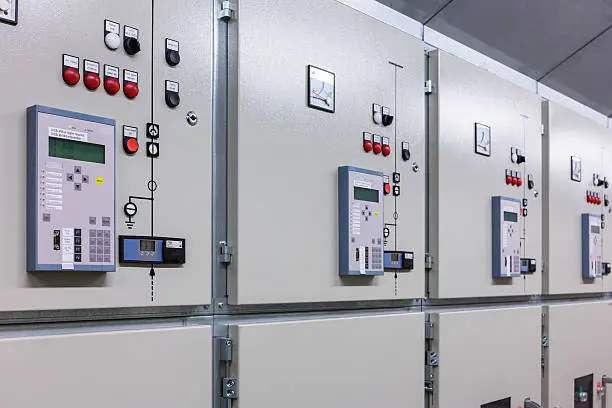
Industrial Controls Solutions
Industrial control solutions are the backbone of modern manufacturing and industrial processes. They play a vital role in automating, regulating, and optimizing systems to ensure seamless operations and improved productivity. From assembly lines to energy plants, these systems are crucial for achieving efficiency, safety, and sustainability in industries worldwide.
Why Are Industrial Controls Solutions Essential?
At their core, industrial control solutions encompass technologies and equipment designed to monitor and manage machines, processes, and systems in industrial settings. These include programmable logic controllers (PLCs), distributed control systems (DCS), human-machine interfaces (HMI), and sensors. These tools collectively provide manufacturers with the ability to automate repetitive tasks, reduce errors, and maintain consistent product quality.
For instance, in the automotive manufacturing industry, PLCs control robotic arms and conveyors with pinpoint precision, streamlining production lines. By automating such processes, companies save time, cut labor costs, and deliver products faster.
Beyond manufacturing, they also find applications in industries like oil and gas, food processing, energy generation, and pharmaceuticals. These systems ensure process efficiency, maximize output, and reduce resource wastage.
Real-World Applications
1. Process Automation in Manufacturing
Manufacturing processes often involve repetitive actions demanding high precision. Industrial controls solutions automate these tasks while ensuring consistency and accuracy. For example, in the packaging industry, an HMI can enable operators to configure systems for various package sizes in seconds, while a PLC oversees the automated machinery.
2. Energy Management and Sustainability
Energy consumption is a significant operational expense in many industries. Industrial controls solutions enable real-time energy monitoring and optimization. By integrating energy management systems with smart sensors, industries can reduce consumption during peak hours, detect inefficiencies, and shift towards greener operations.
3. Safety Systems in Hazardous Environments
Industries like oil and gas operate in potentially hazardous environments. Industrial control systems such as Emergency Shutdown Systems (ESD) ensure worker safety by instantly halting operations when risk thresholds are breached. Similarly, automated fire suppression controls reduce response times in emergencies, protecting assets and lives.
4. Quality Assurance
Industrial control solutions also enhance quality assurance by constantly monitoring production metrics. Automated systems can detect deviations in real time, trigger alerts, and, in some cases, make on-the-spot adjustments to correct errors. This ensures adherence to industry standards and reduces waste caused by faulty products.
Location



















Leave a Comment