

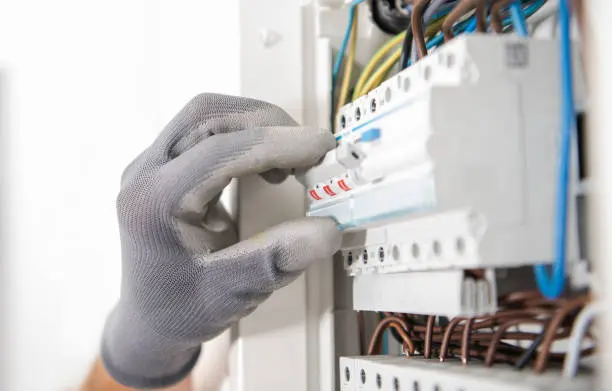
Title: VFD and PLC: The Perfect Duo for Modern Industrial Automation
VFD and PLC are at the heart of modern industrial automation systems, working together to enhance performance, efficiency, and control. As industries continue to evolve towards more intelligent and streamlined operations, the integration of these two technologies has become not just beneficial, but essential.
A Variable Frequency Drive (VFD) is an electronic device used to control the speed and torque of an electric motor by varying the frequency and voltage of its power supply. On the other hand, a Programmable Logic Controller (PLC) is a digital computer designed for automation of industrial electromechanical processes. Together, VFD and PLC systems form the core of countless automation applications across various industries.
Understanding the Role of VFD in Automation
VFDs provide dynamic control over motor speeds, allowing industries to optimize energy usage, reduce wear and tear, and improve overall system performance. With adjustable acceleration and deceleration, VFDs help machines run more efficiently and extend their operational lifespan.
Some key benefits of using VFDs include:
-
Energy Efficiency: Reducing motor speed when full power is not needed significantly cuts energy consumption.
-
Improved Process Control: Precise speed control enhances process quality and consistency.
-
Reduced Mechanical Stress: Soft starts and stops help minimize shock and stress on mechanical components.
What Does a PLC Do?
PLCs are designed to withstand harsh industrial environments while offering a flexible and reliable method of controlling machines and processes. Unlike traditional relay-based control systems, PLCs use software programming to execute control logic, allowing for faster updates and easier system modifications.
Key advantages of using PLCs include:
-
Modular and Scalable Design: Easy to expand or modify with additional modules.
-
Fast Response Time: Critical for high-speed processes and real-time applications.
-
Versatile Programming Options: PLCs can be programmed using ladder logic, function block diagrams, structured text, and more.
Why Integrate VFD and PLC?
The integration of VFD and PLC creates a more powerful, cohesive control system. A PLC can monitor various input signals and send commands to a VFD to control motor speed accordingly. This synchronization is crucial for tasks such as conveyor belt control, fluid pumping, HVAC systems, and more.
Here’s how the integration adds value:
-
Seamless Communication: Most modern VFDs can communicate with PLCs via common protocols like Modbus, Ethernet/IP, or Profibus.
-
Centralized Control: Operators can control and monitor multiple VFDs from a single PLC interface.
-
Automated Adjustments: PLCs can adjust motor speeds in real-time based on sensor feedback or user input.
Common Applications of VFD and PLC Systems
Industries across the board rely on VFD and PLC systems to automate their operations. Some common applications include:
-
Manufacturing: Assembly lines, robotic arms, and conveyor systems.
-
Water Treatment Plants: Controlling pump speeds to maintain consistent pressure.
-
HVAC Systems: Adjusting fan and compressor speeds to optimize energy usage.
-
Food Processing: Precision control over mixing, heating, and packaging machinery.
Choosing the Right Solution
Selecting the right VFD and PLC setup depends on your specific application requirements. Factors such as motor type, load characteristics, required speed range, and system scalability all play a role in determining the best configuration.
If you’re looking for expert guidance and high-quality automation solutions, look no further than Xautomationllc.com. With years of experience in industrial automation, they offer customized VFD and PLC systems designed to meet your unique operational needs.
Future of VFD and PLC Integration
As the industry moves towards Industry 4.0, the role of VFD and PLC systems will become even more significant. With advancements in IoT connectivity, remote monitoring, and AI-driven analytics, these systems will offer smarter, more predictive control capabilities.
Innovations to watch for include:
-
Smart VFDs: Equipped with built-in logic and network capabilities.
-
Cloud-Connected PLCs: Enabling remote diagnostics and real-time data analytics.
-
Energy Management Integration: Providing insights and controls to reduce operational costs further.
Conclusion
The combination of VFD and PLC technology is transforming how industries operate—offering improved efficiency, reduced energy consumption, and unparalleled control. Whether you’re upgrading an existing system or starting from scratch, integrating these technologies is a smart move for any modern industrial facility.
For expert support in designing, programming, and deploying VFD and PLC solutions, visit Xautomationllc.com today and discover how automation can elevate your business.
Location





















Leave a Comment