
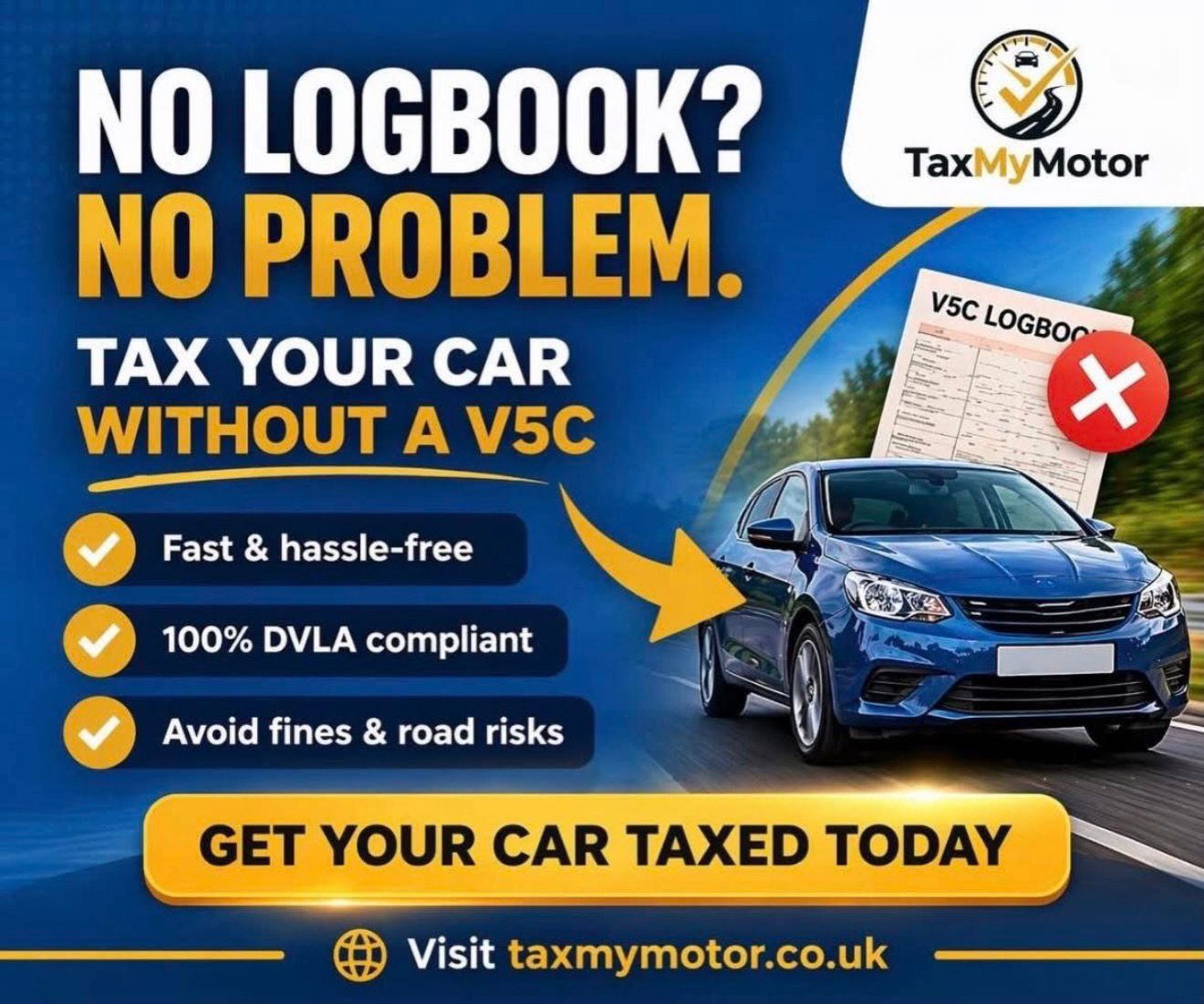
Tax vehicle online no logbook is a common concern for UK drivers who need to tax a vehicle but cannot find their V5C logbook. This can happen after buying a used car, moving house, misplacing important paperwork or waiting for a replacement document. Although the V5C is an important part of the vehicle tax process, losing it does not mean you should ignore your tax responsibilities. Understanding the correct steps can help you avoid delays and make sure your vehicle is taxed properly.
Why Is the V5C Logbook Important?
The V5C, commonly known as the logbook, is issued by the Driver and Vehicle Licensing Agency (DVLA). It records the vehicle’s details and identifies its registered keeper.
You may need information from the V5C when dealing with vehicle tax, selling a car or updating your registered keeper details. However, it is important to understand that the registered keeper is not necessarily the legal owner of the vehicle.
If your logbook is missing, first establish whether you are the existing registered keeper or a new keeper who has recently purchased the vehicle. The next steps can differ depending on your circumstances.
Can You Tax a Vehicle Online Without a Logbook?
In some situations, you may be able to tax a vehicle without having the full V5C document. The correct method depends on your status and which documents you have available.
For example, if you have recently bought a vehicle, the seller should normally give you the green new keeper slip from the V5C. This slip contains a reference number that can be used for certain DVLA transactions, including taxing the vehicle.
If you are already the registered keeper but have lost your V5C, you may need to apply for a replacement before completing the tax process. The DVLA provides guidance on replacing a missing logbook and explains when a vehicle can be taxed as part of the application process.
Do not assume that a vehicle is automatically taxed because the previous keeper had paid its tax. Vehicle tax does not transfer to a new keeper when a vehicle is sold.
What to Do If You Have Recently Purchased a Vehicle
Buying a used car can involve several documents and responsibilities. Once the sale is complete, the new keeper must make sure the vehicle is taxed before using it on public roads.
If you have the green new keeper slip, check that the vehicle details are correct and follow the relevant DVLA instructions to tax the vehicle. You may also need to arrange valid insurance and make sure the vehicle has a valid MOT where required.
If the seller has not provided the new keeper slip, contact them first to check whether the V5C was completed correctly. You may need to apply to the DVLA using form V62 to request a logbook.
Avoid driving the vehicle on public roads until you have confirmed that the necessary tax and other legal requirements are in place. A previous owner’s tax is not valid for you after the vehicle has been sold.
Applying for a Replacement V5C
If you were already the registered keeper and your logbook has been lost, stolen or damaged, you can apply for a replacement through the DVLA.
Before starting, gather the information you have about the vehicle. This may include:
-
Vehicle registration number
-
Make and model
-
Your name and current address
-
Details of the registered keeper
-
Any relevant vehicle documents or reference numbers
The DVLA may ask for additional information depending on your circumstances. A replacement V5C application normally involves a fee, so check the current requirements on GOV.UK before submitting it.
If you have recently moved, make sure your registered keeper address is up to date. Sending an application with incorrect details can cause unnecessary delays.
Check Your Vehicle Details Before Paying Tax
Correct information is essential when completing an online vehicle tax transaction. Even a small mistake can create problems or delay the process.
Before proceeding, check the registration number, vehicle details and any reference number you are using. Make sure the information matches the vehicle and the documents available to you.
You should also check whether the vehicle has a valid MOT, if one is required. The DVLA uses vehicle records to establish whether a vehicle meets the relevant requirements for taxation. If a recent MOT does not appear in the online system, allow time for the records to update and check with the MOT testing centre if necessary.
Vehicle tax rates depend on factors such as the vehicle’s age, fuel type, emissions and applicable tax rules. Use the official DVLA service to confirm the amount due rather than relying on an estimate.
What If You Cannot Tax Your Vehicle Yet?
If you cannot complete the tax process because your logbook or new keeper slip is missing, take action rather than leaving the issue unresolved.
Start by identifying which document you need and whether you are applying as an existing keeper or a new keeper. Check the DVLA’s guidance and submit the appropriate application if necessary.
If the vehicle is not being used and is kept off public roads, you may need to make a Statutory Off Road Notification (SORN). A SORN is not a substitute for vehicle tax when you intend to use the vehicle on public roads. You must make sure the vehicle is taxed before driving it again.
Keep copies of applications and any relevant correspondence. This can help you track your progress and respond if further information is requested.
Where Can Drivers Find Help With Vehicle Tax?
Official vehicle tax transactions and replacement V5C applications should be completed through the DVLA’s services on GOV.UK. These services provide the current rules, fees and document requirements.
Drivers who need additional guidance can also explore independent assistance services. Tax My Motor is an independent assistance service and is not the DVLA or a UK Government department. It should not be confused with an official government service. Always check the official DVLA requirements before making a payment or submitting an application.
Final Thoughts
Losing your V5C logbook can make vehicle tax more complicated, particularly if you have recently purchased a car or need to replace important documents. However, taking the correct steps can help you resolve the issue without unnecessary confusion. Check your keeper status, gather the available vehicle details, follow the relevant DVLA process and make sure the vehicle is taxed before using it on public roads. For further guidance on vehicle tax matters, you can visit www.taxmymotor.co.uk while checking official requirements directly with the DVLA.
Location
Related Ads













Leave feedback about this