
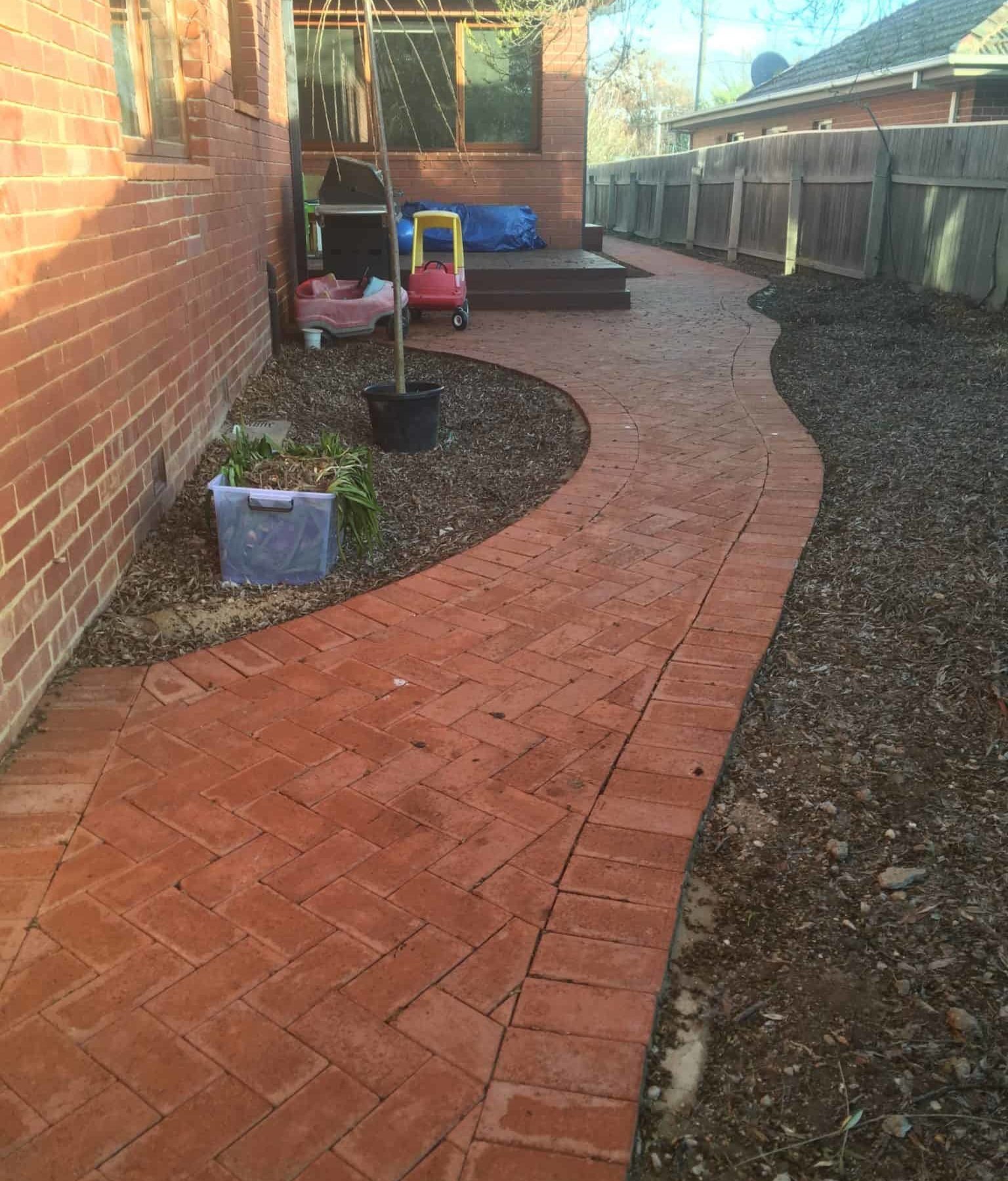
Outdoor paving is an important part of creating a functional and welcoming property. Whether it is a driveway, garden pathway, swimming pool surround or backyard entertainment area, the right paving can improve both the appearance and usability of an outdoor space. In Canberra, property owners also need to consider changing weather conditions, including hot summers, cold winters and periods of heavy rainfall.
Choosing suitable paving materials and installation methods can make a significant difference to the long-term performance of a paved surface. Good planning helps prevent common problems such as uneven pavers, poor drainage and premature surface damage. For homeowners considering an outdoor improvement project, understanding the available options is a useful starting point. Read more about the key factors that influence successful paving projects and how to choose an appropriate solution for different areas of your property.
1. Driveway Paving That Combines Strength and Appearance
Driveways experience more pressure than most other paved areas because they regularly support vehicles and foot traffic. This makes material selection and foundation preparation particularly important.
Concrete pavers are a practical choice for many residential driveways. They are available in different sizes, colours and patterns, allowing homeowners to create a finish that complements their property’s exterior. Clay pavers provide a more traditional appearance, while natural stone can give a driveway a distinctive character.
The installation process should include suitable excavation, a compacted base, proper edge restraints and appropriate drainage. These elements help distribute vehicle loads and reduce the likelihood of pavers shifting or sinking over time.
Before selecting a design, consider how frequently the driveway will be used and whether larger vehicles will need access.
2. Creating Safe and Attractive Swimming Pool Surrounds
Swimming pool paving needs to balance appearance, comfort and safety. Unlike ordinary garden paving, pool surrounds are regularly exposed to water, cleaning products and direct sunlight.
Slip resistance should be a major consideration when selecting pavers. Textured concrete, suitable natural stone and other products designed for wet environments can provide practical options. It is also worth considering how hot the surface becomes during summer, particularly in areas where people walk barefoot.
Pool coping should complement the surrounding paving and provide a neat transition around the pool edge. Proper installation also requires attention to surface levels and drainage so that water does not collect in walking areas.
Regular cleaning is important because algae, dirt and other organic material can create slippery conditions if allowed to build up.
3. Pathways, Patios and Outdoor Entertainment Areas
Well-designed pathways make outdoor spaces easier to access and navigate. They can connect entrances, gardens, driveways and backyard areas while adding structure to the overall landscape.
For pathways, choose pavers with a comfortable walking surface and suitable grip. The width should allow people to pass comfortably, while the layout should follow natural movement around the property.
Patios provide additional space for relaxing and entertaining. Larger pavers can create a contemporary appearance, while smaller units arranged in decorative patterns may suit traditional homes.
Outdoor entertainment areas should also be planned around their intended use. Consider where furniture, dining tables and barbecues will be positioned. Allow enough room for movement and ensure the paved surface is stable and level.
Choosing colours and textures that complement the home, garden and surrounding structures can help create a consistent outdoor design.
4. Understanding Different Paving Installation Methods
The installation system influences how a paved surface behaves over time. Three common methods are segmental paving, rigid paving and permeable paving.
Segmental Paving
Segmental paving uses individual pavers laid over a prepared base, generally with a bedding layer and jointing material. It is commonly used for driveways, pathways, patios and selected pool areas.
One advantage is that individual pavers can be lifted and replaced when repairs or underground service access are needed. However, the base and edge restraints must be properly constructed to prevent movement.
Rigid Paving
Rigid paving involves fixing pavers to a concrete base using a suitable mortar or adhesive system. The joints are filled with an appropriate material to complete the surface.
This approach can create a firm and stable finish for selected outdoor applications. However, the concrete substrate must be properly prepared, and movement joints and drainage need to be considered to help reduce cracking.
Permeable Paving
Permeable paving allows rainwater to pass through specially designed joints or openings into a prepared base below.
It can be useful in areas where reducing surface runoff is an important consideration. The system requires suitable ground conditions, correct installation and regular maintenance to prevent the joints from becoming blocked.
5. Choosing the Right Paving Materials
Different paving materials offer different advantages, appearances and maintenance requirements.
Concrete pavers: These are widely used because of their versatility. They come in various shapes, colours and finishes and can suit driveways, patios and pathways.
Clay pavers: Clay products offer warm, traditional colours and can complement established gardens and classic architectural styles. They are worth considering for decorative pathways and residential driveways.
Recycled pavers: Recycled materials provide an opportunity to reuse existing construction products. They can add character to outdoor spaces, although their dimensions, condition and strength should be checked before installation.
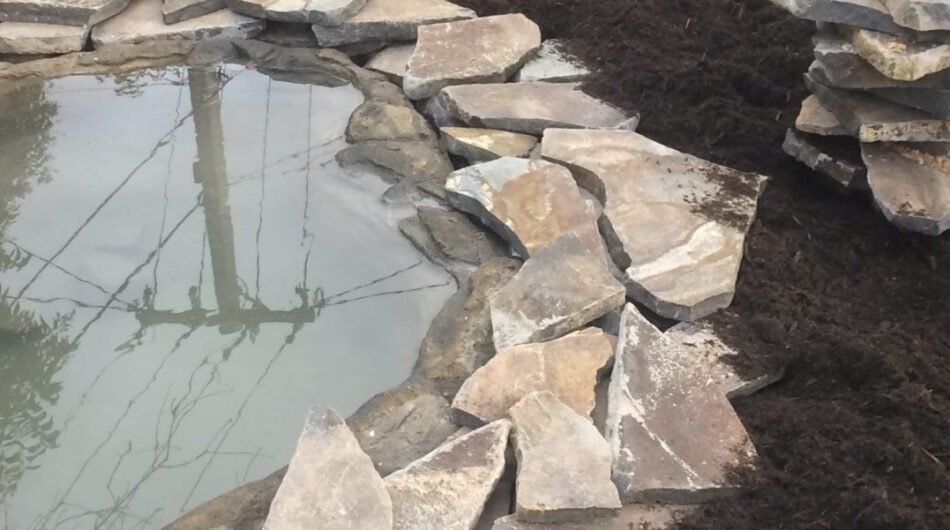
Natural stone pavers: Natural stone offers individual textures and patterns that create a distinctive finish. Different stone varieties have different absorption rates and surface characteristics, so their suitability for wet areas and heavy traffic should be assessed.
When comparing options, consider the intended application, expected lifespan, cleaning requirements and overall project budget rather than choosing materials based on appearance alone.
6. Why Proper Ground Preparation Is Essential
The quality of paving depends heavily on what sits underneath it. Even attractive, high-quality pavers may become uneven if the foundation is poorly prepared.
Excavation removes unsuitable soil and creates enough depth for the required base and bedding layers. The excavation depth depends on soil conditions, paver thickness and the expected load.
For segmental paving, the base material must be spread evenly and compacted in suitable layers. The bedding material should then be prepared to provide consistent support beneath each paver.
Drainage is equally important. Surfaces should be graded to direct water away from buildings and towards appropriate drainage points. Poor drainage can contribute to water pooling, movement and deterioration of the paved area.
During installation, pavers should be positioned carefully, with consistent joints and secure edges. Proper compaction and joint filling help create a stable finished surface.
7. Maintenance and Long-Term Paving Performance
Regular maintenance helps keep paved areas attractive and functional. Sweeping removes leaves and loose dirt, while occasional washing can help prevent stubborn staining.
Inspect the surface periodically for loose pavers, damaged joints and areas where water collects. Replacing damaged units early can help prevent further movement.
For pool areas and shaded pathways, remove moss and algae when they appear. These deposits can make surfaces slippery, particularly after rain.
Different materials require different care. Natural stone may need a suitable cleaning product or protective treatment, while concrete and clay pavers generally benefit from routine cleaning and joint maintenance.
Conclusion
Outdoor paving is a valuable way to improve the usability and appearance of residential properties in Canberra. However, a successful result depends on more than selecting an attractive design. Material suitability, installation methods, excavation, foundation preparation and drainage all play important roles.
By considering how each outdoor area will be used and choosing appropriate materials, homeowners can create practical spaces that suit their properties and local conditions. Careful installation and regular maintenance will also help paved surfaces remain safe, durable and visually appealing over the long term.
Location
Related Ads













Leave feedback about this