

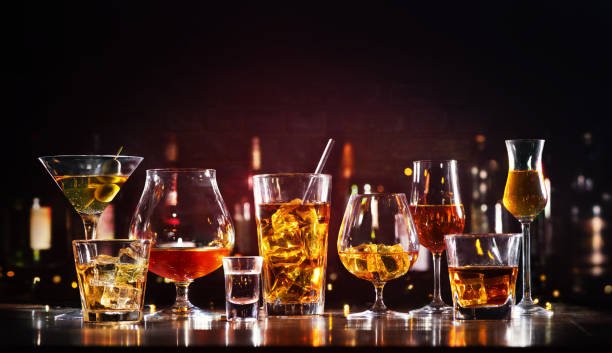
Alcoholic Beverages: Tradition, Transformation, and Tomorrow’s Trends
Introduction
Alcoholic beverages are more than just products—they are cultural artifacts, economic powerhouses, and social catalysts. From the ancient fermentation of mead in early civilizations to the craft beer revolution and the rise of no- and low-alcohol options, the alcoholic beverage industry has undergone continuous transformation. Today, this multifaceted sector bridges centuries-old traditions with cutting-edge innovation and shifting consumer values.
In this comprehensive guest post, we’ll explore the dynamic world of alcoholic beverages—covering their history, categories, production methods, market trends, global consumption habits, and the future of this ever-evolving industry.
A Brief History of Alcoholic Beverages
Alcohol has been part of human civilization for over 9,000 years. Archaeological findings suggest that fermented beverages existed in China as early as 7000 BCE, made from rice, honey, and fruit. Ancient Mesopotamians brewed beer, while Egyptians perfected winemaking. Across Europe, spirits became staples in both social and medicinal practices.
Historically, alcoholic drinks have served multiple functions:
-
Ceremonial and religious use
-
Social bonding and hospitality
-
Preservation and medicinal applications
-
Symbolism in art, politics, and commerce
The global alcoholic beverages market was valued at USD 430.37 billion in 2024 and is expected to reach USD 545.17 billion by 2032. During the forecast period of 2025 to 2032 the market is likely to grow at a CAGR of 3.00%
Categories of Alcoholic Beverages
Alcoholic beverages can be broadly divided into three main categories:
1. Beer
-
Alcohol content: Typically 3% to 8% ABV
-
Production: Brewed from malted barley, hops, yeast, and water
-
Types: Lager, ale, stout, porter, pilsner, IPA
-
Trends: Rise of craft breweries, low-carb and gluten-free options
2. Wine
-
Alcohol content: Typically 8% to 15% ABV
-
Production: Fermented grapes or other fruits
-
Types: Red, white, rosé, sparkling, fortified (e.g., sherry, port)
-
Trends: Organic, biodynamic, and natural wines; canned and single-serve formats
3. Spirits (Distilled Beverages)
-
Alcohol content: Usually 35% to 50% ABV
-
Production: Distillation of fermented grain, fruit, or sugar-based mash
-
Types: Whiskey, vodka, rum, gin, tequila, brandy, liqueurs
-
Trends: Premiumization, craft distilling, and flavored variations
Other niche categories include:
-
Hard seltzers (carbonated, flavored low-ABV drinks)
-
Cider (from fermented apples or pears)
-
Mead (fermented honey wine)
-
Kombucha (sometimes spiked with spirits)
The Art and Science of Alcohol Production
Fermentation
At the heart of every alcoholic beverage is fermentation—a biological process where yeast consumes sugars and converts them into alcohol and carbon dioxide.
-
Beer: Brewed in batches, typically fermented for 1–3 weeks.
-
Wine: Varies by grape and style; some wines are aged for years.
-
Spirits: Begin with fermentation, followed by distillation to concentrate the alcohol.
Distillation (Spirits Only)
Distillation involves heating a fermented mixture to evaporate alcohol, which is then condensed back into liquid. The result: high-proof spirits with concentrated flavor.
Aging and Finishing
-
Barrel aging adds complexity, especially in whiskey, rum, brandy, and some wines.
-
Blending and filtration help achieve consistency and refine taste profiles.
Global Consumption Patterns
Top Alcohol-Consuming Countries (by per capita consumption)
| Rank | Country | Alcohol (liters/year) |
|---|---|---|
| 1 | Czech Republic | ~14.3 |
| 2 | Latvia | ~13.2 |
| 3 | Moldova | ~12.9 |
| 4 | Germany | ~12.7 |
| 5 | Ireland | ~12.3 |
Regional Preferences
-
Europe: Dominated by beer (Germany, UK), wine (France, Italy, Spain), and spirits (Russia, Poland).
-
Asia-Pacific: Strong spirit and beer markets (China, India, Japan, South Korea).
-
North America: Growing demand for premium spirits, craft beer, and wines.
-
Africa & Middle East: Mixed trends, with non-alcoholic options gaining traction due to cultural or religious reasons.
Cultural Significance of Alcohol
Alcohol plays varying roles across cultures:
-
Ritualistic: Used in religious ceremonies (e.g., wine in Christian Eucharist).
-
Social: Integral to celebrations, festivals, and community events.
-
Economic: Generates significant employment and tax revenue.
-
Identity: Iconic products like Scotch whisky, French wine, Japanese sake, and Mexican tequila are national symbols.
Health Implications and Responsible Consumption
Positive Associations (in moderation)
-
Some studies suggest red wine may have cardiovascular benefits.
-
Alcohol can facilitate social bonding and relaxation.
Risks of Excessive Consumption
-
Liver disease, heart problems, and mental health issues.
-
Increased risk of addiction, accidents, and social harm.
-
WHO estimates over 3 million alcohol-related deaths annually.
Industry’s Role in Promoting Responsibility
-
Clear labeling (ABV, serving size)
-
Low- and no-alcohol alternatives
-
Campaigns on moderation and safe driving
Regulatory Landscape
Alcohol regulation varies by country, affecting production, distribution, advertising, and consumption.
Common Regulations
-
Minimum legal drinking age
-
Alcohol tax and excise duties
-
Marketing restrictions (TV ads, digital media)
-
Licensing requirements for producers and retailers
-
Labeling laws (health warnings, content transparency)
Emerging Policies
-
Sustainability mandates for production and packaging
-
Sugar and calorie content labeling
-
Restrictions on flavored spirits targeting youth
Key Market Trends and Growth Drivers
1. Premiumization
Consumers are trading up to higher-quality, artisanal, or small-batch products:
-
Craft spirits with unique botanicals
-
Aged whiskies and vintage wines
-
Artisanal ciders and organic beers
2. Health-Conscious Drinking
The “sober curious” movement has fueled:
-
Low-ABV and zero-alcohol beers, wines, and spirits
-
Functional beverages (with adaptogens, vitamins, or CBD)
-
Mocktails and alcohol-free bars
3. Sustainability and Transparency
-
Brands are investing in recyclable packaging, carbon neutrality, and local sourcing.
-
Consumers demand ingredient clarity and ethical sourcing.
4. Experiential Marketing
-
Virtual tastings, brewery tours, and subscription boxes.
-
Immersive brand experiences at music festivals, pop-up bars, and retail spaces.
5. E-commerce and DTC (Direct-to-Consumer)
-
COVID-19 accelerated online alcohol delivery.
-
Spirits and wine brands are investing in digital storefronts and influencer marketing.
Key Players in the Global Market
Top Alcoholic Beverage Companies
| Company | Headquarters | Notable Brands |
|---|---|---|
| AB InBev | Belgium | Budweiser, Stella Artois |
| Diageo | UK | Johnnie Walker, Guinness |
| Heineken | Netherlands | Heineken, Amstel |
| Constellation Brands | USA | Corona, Svedka, Robert Mondavi |
| Pernod Ricard | France | Absolut, Jameson, Chivas Regal |
Emerging Players
-
Regional craft distilleries
-
Organic vineyards and biodynamic winemakers
-
Alcohol-free beverage startups (e.g., Seedlip, Lyre’s)
The Future of Alcoholic Beverages
1. Functional and Wellness Beverages
-
Infused with vitamins, electrolytes, or adaptogens.
-
Bridging the gap between indulgence and health.
2. Tech-Driven Production and Customization
-
AI-powered distillation and fermentation systems.
-
Personalized blends based on genetic or taste profiling.
3. Low-Impact Packaging
-
Reusable, biodegradable, or lightweight formats.
-
Innovations like wine pouches, aluminum bottles, and edible labels.
4. Emerging Markets
-
Africa, Southeast Asia, and Latin America show growing demand.
-
Young, urban populations are seeking both global brands and local brews.
5. Inclusivity and Diversity
-
More women-led distilleries and brewers.
-
LGBTQ+ and minority-owned brands gaining traction.
Source: https://www.databridgemarketresearch.com/reports/global-alcoholic-beverages-market
Conclusion
The alcoholic beverage industry is in a constant state of reinvention—rooted in history but always looking forward. While challenges such as regulation, health scrutiny, and environmental impact persist, they also spark innovation and responsible evolution.
As consumers become more informed, adventurous, and ethically conscious, brands must adapt through transparency, inclusivity, and authentic storytelling.
From a casual pint at a local brewery to a meticulously aged single malt savored in a Michelin-starred bar, the world of alcoholic beverages offers something for everyone—and it’s only getting more exciting.
Location

Leave a Comment