
Exploring Innovative Solutions for Mental Health: Best TMS Therapy and Ketamine
Mental health conditions such as depression, anxiety, and treatment-resistant mood disorders affect millions of people worldwide. Traditional treatments, including psychotherapy and medications, work well for many, but some patients continue to struggle despite trying multiple approaches. For those seeking advanced and effective solutions, TMS therapy and ketamine therapy have emerged as groundbreaking options. In this article, we’ll explore these therapies, their benefits, and why they are considered among the most effective modern treatments.
Understanding TMS Therapy
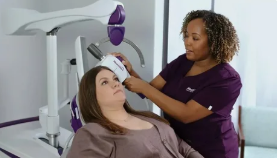
Transcranial Magnetic Stimulation (TMS) is a non-invasive procedure that uses magnetic fields to stimulate nerve cells in the brain. Specifically, TMS targets regions of the brain that regulate mood and emotional response. It is most commonly used to treat major depressive disorder (MDD), particularly in patients who have not responded to standard antidepressant medications.
Unlike medications, which work chemically, TMS works electrically, modulating brain activity to improve mood regulation. Patients typically undergo sessions five times a week for four to six weeks, with each session lasting around 30-40 minutes. One of the biggest advantages of TMS therapy is its non-invasive nature—it does not require anesthesia or cause systemic side effects, making it a safe alternative for many patients.
Clinical studies have shown that TMS therapy can lead to significant reductions in depressive symptoms. Many patients report improvement after just a few sessions, and the therapy has also been linked to enhanced cognitive function and overall well-being. For those exploring the best TMS therapy, it’s essential to seek clinics with experienced professionals and advanced TMS devices to ensure optimal outcomes.
Ketamine Therapy: A New Frontier in Depression Treatment
While TMS therapy targets specific brain circuits, ketamine therapy works differently by modulating the brain’s neurotransmitters. Ketamine, originally used as an anesthetic, has gained attention for its rapid antidepressant effects. Unlike traditional antidepressants, which may take weeks to show results, ketamine can alleviate symptoms within hours. This makes it particularly valuable for patients experiencing severe depression or suicidal thoughts.
Ketamine therapy is typically administered in two ways: intravenous (IV) infusion or as a nasal spray. The IV route involves controlled dosing over a period of 40-60 minutes, while the nasal spray offers a convenient at-home or in-clinic option under medical supervision. Both methods stimulate the brain’s glutamate system, promoting the growth of new neural connections and enhancing mood regulation.
One of the remarkable aspects of ketamine therapy is its effectiveness in treatment-resistant depression. For patients who have tried multiple medications without success, ketamine offers a new hope for relief. Clinics offering ketamine therapy emphasize careful screening and monitoring, ensuring that each patient receives the safest and most effective treatment.
Comparing TMS Therapy and Ketamine Therapy
Both TMS therapy and ketamine therapy offer unique benefits, and the choice between them often depends on individual needs, medical history, and treatment goals. Here’s a closer look at the differences:
- Mechanism of Action: TMS therapy stimulates targeted brain regions using magnetic fields, while ketamine therapy affects neurotransmitters to promote rapid antidepressant effects.
- Speed of Results: Ketamine therapy is known for almost immediate symptom relief, often within hours, whereas TMS therapy generally requires several weeks of consistent sessions to achieve noticeable results.
- Duration of Benefits: TMS therapy can provide longer-lasting improvement after a full treatment course, while ketamine therapy may require maintenance sessions to sustain benefits.
- Side Effects: TMS therapy is well-tolerated with minimal side effects, mostly mild scalp discomfort or headaches. Ketamine therapy can cause dissociation, dizziness, or mild nausea, but these effects are typically temporary and managed under supervision.
Many mental health professionals recommend a combination approach in certain cases. Some patients benefit from an initial course of ketamine therapy to quickly reduce symptoms, followed by TMS therapy for sustained long-term improvement.
Finding the Best TMS Therapy and Ketamine Therapy Clinics
Choosing the right clinic is crucial for achieving the best outcomes. Here are some key factors to consider when looking for the best TMS therapy or ketamine therapy providers:
- Qualified Professionals: Look for clinics staffed by licensed psychiatrists, psychologists, or trained TMS technicians who can personalize treatment plans.
- Advanced Technology: Modern TMS devices offer more precise targeting, improving effectiveness. Similarly, ketamine therapy should be administered using standardized dosing protocols in a controlled environment.
- Comprehensive Assessment: The best clinics conduct thorough evaluations, including mental health assessments and medical history reviews, to determine suitability for TMS or ketamine therapy.
- Patient Support: Continuous monitoring and follow-up care are essential. Reputable clinics provide guidance throughout the treatment process and offer additional mental health support.
Who Can Benefit from TMS and Ketamine Therapy?
TMS and ketamine therapy are suitable for a wide range of patients, particularly those who have not responded to traditional treatments. Candidates include individuals experiencing:
- Major depressive disorder
- Treatment-resistant depression
- Anxiety disorders
- Suicidal ideation or acute depressive episodes
It’s important to note that these therapies are generally part of a comprehensive mental health plan, which may include psychotherapy, lifestyle interventions, and medication management.
The Future of Mental Health Care
Advances in neuroscience have transformed the way we approach mental health. TMS therapy and ketamine therapy exemplify this progress, offering hope to patients who once had limited options. With ongoing research, these therapies are likely to become even more refined, safer, and accessible to patients worldwide.
Patients seeking the best TMS therapy or ketamine therapy today are discovering that modern mental health care is both effective and personalized. These treatments are not just about symptom relief—they aim to improve quality of life, restore hope, and support long-term wellness.
Conclusion
For individuals struggling with depression, anxiety, or treatment-resistant mood disorders, TMS therapy and ketamine therapy represent innovative and effective treatment options. While each therapy has its own mechanism and benefits, both are backed by research and have helped countless patients achieve significant improvement in their mental health.
When searching for the best TMS therapy or ketamine therapy, it’s essential to prioritize safety, expertise, and personalized care. By choosing a reputable clinic and following a comprehensive treatment plan, patients can take meaningful steps toward recovery, improved mood, and overall well-being.
Mental health care is evolving, and options like TMS and ketamine therapy are paving the way for a brighter, healthier future for everyone seeking relief from depression and related conditions.
Location





Leave a Comment