

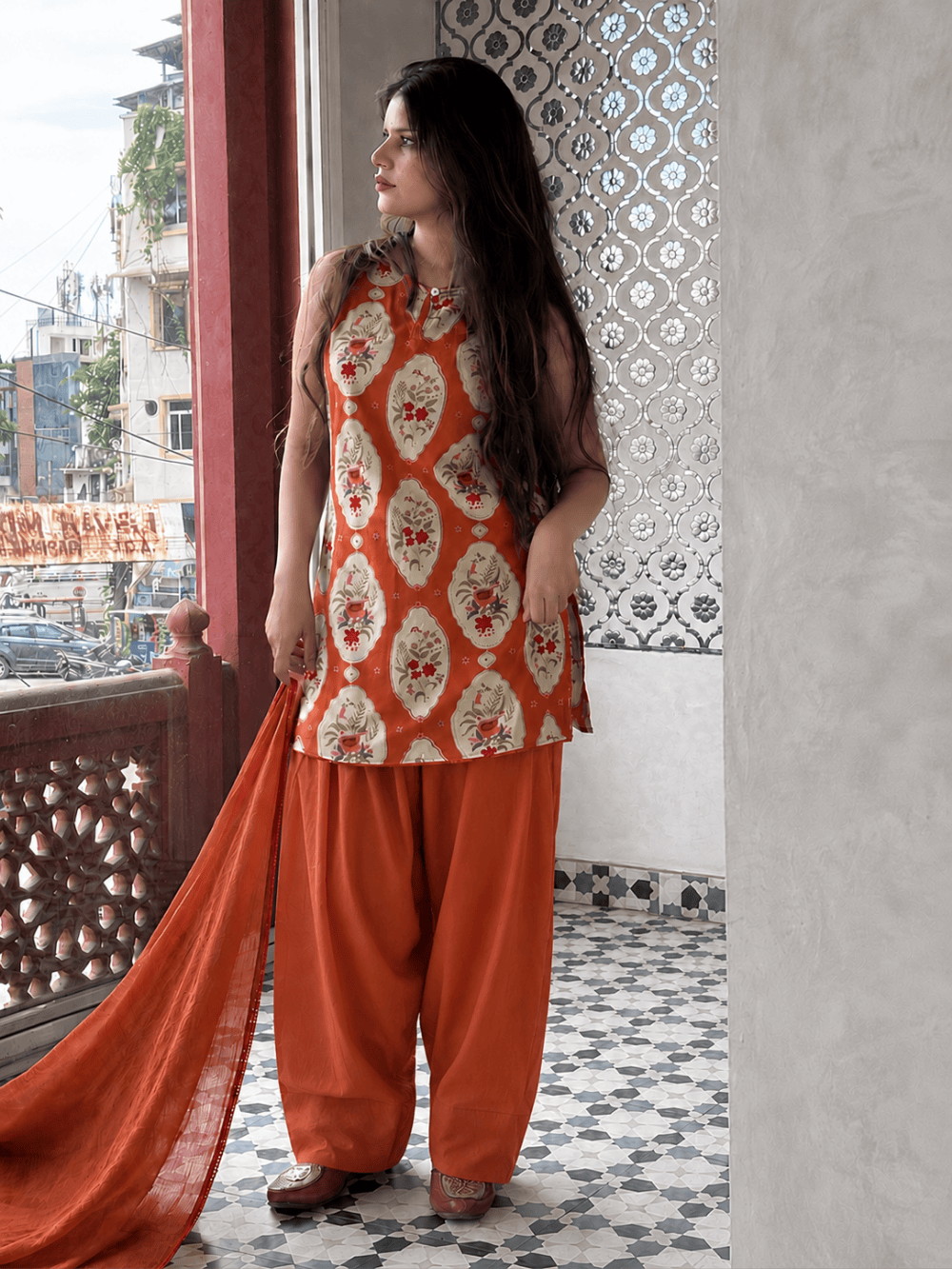
Farshi Salwar Set: A Complete Guide to Styling, Occasions, and Traditional Elega
Indian ethnic fashion has always been admired for its beautiful silhouettes, cultural heritage, and ability to evolve with changing trends. Among the traditional outfits making a comeback in contemporary fashion, the Farshi Salwar Set has become an interesting choice for women who want to experiment with a distinctive ethnic look. With its flowing shape, relaxed silhouette, and graceful appearance, this outfit brings together the charm of traditional fashion and the comfort of modern ethnic wear.
Whether you have recently discovered the Farshi Salwar Suit or are wondering what is Farshi Salwar Suit, understanding its features and styling possibilities can help you decide whether this unique outfit belongs in your wardrobe.
What Is a Farshi Salwar Suit?
A Farshi Salwar Suit is a traditional-style ethnic outfit recognized primarily for its long, flowing, and voluminous salwar. Unlike conventional salwars that are usually gathered around the ankles, the Farshi style is known for its wider and more dramatic silhouette.
A typical Farshi ensemble can include a kurta or kameez, a Farshi salwar, and a dupatta. The three pieces are often designed to complement one another through coordinated colors, prints, embroidery, or embellishments.
The flowing lower silhouette is the defining characteristic of this outfit. It gives the wearer an elegant appearance and creates beautiful movement when walking. This makes the Farshi Salwar particularly appealing for women who want to wear something different from standard ethnic suit designs.
Understanding the Farshi Salwar Suit Meaning
The Farshi Salwar Suit meaning is closely related to the visual appearance of the outfit. The word “Farshi” is associated with the Persian term “farsh,” meaning floor or ground.
The name reflects the traditional floor-length or floor-skimming appearance of the salwar. This distinctive feature separates it from more common salwar styles and gives the outfit its signature identity.
Although traditional Farshi silhouettes were often more elaborate, modern interpretations can be adapted to contemporary preferences. Designers may experiment with fabric, length, volume, and detailing while maintaining the essential flowing character of the outfit.
A Look at the Farshi Salwar Origin
The Farshi Salwar origin is linked to the rich history of South Asian ethnic clothing and Persian-influenced fashion. The style is associated with traditional formal dressing and elaborate silhouettes that were popular in earlier periods.
Historically, the Farshi Salwar was part of a larger ethnic ensemble and was often styled with long kameez or kurtas and beautifully draped dupattas. The dramatic volume of the lower garment added grandeur to the overall appearance.
As fashion became more focused on practical and streamlined silhouettes, the Farshi style became less common in everyday wardrobes. However, the renewed interest in traditional clothing has brought attention back to this distinctive design.
Today, the Farshi Salwar is being rediscovered as a heritage-inspired outfit that can be adapted for contemporary occasions.
Why Choose a Farshi Salwar Set?
A Farshi Salwar Set can be an excellent option for women who want to add variety to their ethnic wardrobe. Its biggest advantage is its distinctive silhouette.
Unlike a standard suit, the Farshi design creates a flowing and statement-making appearance. It can also provide a relaxed fit, depending on the fabric and construction.
Some reasons to consider adding a Farshi Salwar to your wardrobe include:
- Unique and distinctive silhouette
- Traditional-inspired appearance
- Comfortable and relaxed lower garment
- Suitable for festive and special occasions
- Easy to accessorize
- Can be styled in traditional or contemporary ways
The outfit is especially appealing to women who enjoy exploring less conventional ethnic silhouettes.
How to Style a Farshi Salwar Suit
Styling a Farshi Salwar Suit can be simple because the silhouette itself creates a strong visual impact. The key is to choose accessories that complement rather than overpower the outfit.
For a traditional appearance, consider wearing the outfit with jhumkas, chandbali earrings, bangles, and ethnic footwear. A beautifully draped dupatta can further enhance the elegance of the overall look.
For a more contemporary style, you can keep the accessories minimal. A pair of statement earrings and simple footwear can create a refined appearance while allowing the Farshi silhouette to remain the center of attention.
If the outfit has heavy embroidery or embellishment, minimal jewelry can create balance. For a printed or simple Farshi Salwar, you can experiment with statement accessories.
Which Occasions Are Suitable for a Farshi Salwar?
The versatility of a Farshi Salwar Set makes it suitable for a range of occasions. While the outfit has traditional roots, modern styling allows it to be adapted for different events.
You can wear a Farshi Salwar for:
Weddings
An embellished or richly detailed Farshi Salwar can make an elegant choice for wedding celebrations and related functions. Pairing it with traditional jewelry can create a sophisticated festive look.
Festive Celebrations
Festivals are perfect occasions to experiment with heritage-inspired ethnic wear. A colorful Farshi Salwar with a coordinated dupatta can create a graceful festive appearance.
Family Gatherings
For family events, you can choose a lighter Farshi Salwar Set with subtle prints or embroidery. This can provide a traditional look without feeling overly formal.
Cultural Events
The heritage-inspired appearance of the Farshi silhouette makes it suitable for cultural programs, traditional ceremonies, and other occasions where ethnic fashion is appreciated.
Farshi Salwar vs Regular Salwar Suit
One common question is how a Farshi Salwar differs from a regular salwar suit.
The primary difference is the lower garment. A conventional salwar typically has a more gathered or tapered shape, while the Farshi Salwar is characterized by its greater length, volume, and flowing structure.
A regular salwar suit may be more practical for everyday wear, while a Farshi Salwar often creates a more dramatic and occasion-ready appearance.
This distinctive shape is precisely what makes the Farshi style attractive to women who want to experiment with traditional fashion.
How to Choose the Right Farshi Salwar Set
When selecting a Farshi Salwar Set, consider the occasion, fabric, color, and level of embellishment.
For daytime events, lightweight fabrics and subtle prints can offer a comfortable and elegant appearance. For evening celebrations, you can choose richer colors, embroidery, or embellishments.
The color of the outfit can also influence the overall mood. Bright shades can create a vibrant festive appearance, while pastel and neutral tones can give the outfit a softer and more contemporary feel.
It is also important to consider how the outfit fits and moves. Since the flowing silhouette is an essential part of the Farshi style, the fabric should allow the garment to drape naturally.
JOVI India’s Take on Farshi Salwar Fashion
JOVI India brings traditional-inspired silhouettes into contemporary ethnic fashion through its Farshi Salwar Suit collection. For women who want to explore distinctive ethnic wear, a JOVI India Farshi Salwar Set offers an opportunity to embrace the graceful character of this unique style.
The flowing silhouette can be styled for festive occasions, family gatherings, celebrations, and special events. Depending on personal preference, women can create a traditional look with ethnic jewelry and embellished footwear or choose minimal accessories for a more modern appearance.
By combining the appeal of heritage-inspired fashion with contemporary styling, Farshi Salwar designs can offer a fresh alternative to conventional ethnic suits.
Frequently Asked Questions
What is Farshi Salwar Suit?
A Farshi Salwar Suit is an ethnic outfit featuring a long, wide, and flowing salwar that creates a distinctive floor-skimming silhouette. It is commonly paired with a kurta or kameez and a dupatta.
What does Farshi Salwar mean?
The Farshi Salwar Suit meaning is associated with its floor-length appearance. The term “Farshi” is connected with the Persian word “farsh,” which refers to the floor or ground.
Where did the Farshi Salwar originate?
The Farshi Salwar origin is associated with South Asian and Persian-influenced traditional clothing. The style has been reinterpreted over time for contemporary ethnic fashion.
Is Farshi Salwar comfortable?
Depending on the fabric and construction, a Farshi Salwar can offer a relaxed and comfortable fit. Its wide silhouette allows greater freedom of movement compared with some more fitted ethnic styles.
Can Farshi Salwar be worn for weddings?
Yes. Embellished or richly detailed Farshi Salwar Sets can be styled for weddings, festive celebrations, and other special occasions.
How do you style a Farshi Salwar Suit?
You can style it with traditional jewelry, ethnic footwear, and a coordinated dupatta. For a contemporary look, minimal jewelry and simple accessories can work well.
Final Thoughts
The Farshi Salwar Suit is a beautiful example of how traditional fashion can be rediscovered and adapted for modern wardrobes. Its flowing silhouette, distinctive appearance, and cultural connection make it an interesting choice for women who want to explore ethnic fashion beyond conventional designs.
From understanding what is Farshi Salwar Suit to learning about the Farshi Salwar Suit meaning and Farshi Salwar origin, this unique outfit offers a fascinating insight into the evolution of South Asian fashion.
Whether you choose a Farshi Salwar for a wedding, festive celebration, or family gathering, its graceful silhouette can help you create a memorable ethnic look. With contemporary styling and the right accessories, a Farshi Salwar Set can effortlessly combine traditional elegance with modern fashion.
Location
Business Hours
| Open | Close | ||
|---|---|---|---|
| Monday | Open (24 Hours) | ||
| Tuesday | Open (24 Hours) | ||
| Wednesday | Open (24 Hours) | ||
| Thursday | Open (24 Hours) | ||
| Friday | Open (24 Hours) | ||
| Saturday | Open Today (24 Hours) | ||
| Sunday | Open (24 Hours) | ||

Define Clinic

Leave a Comment