
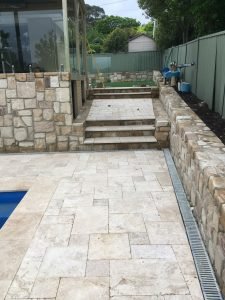
A well-designed outdoor space can make a significant difference to the appearance, functionality, and value of your property. However, sloping land, soil movement, and uneven garden levels can make landscaping challenging. This is where professional retaining wall solutions become valuable. Whether you want to create a beautiful garden, improve your property’s layout, or manage changes in ground levels, retaining wall landscaping services can help you achieve a practical and attractive outdoor environment.
Across Australia, retaining walls are commonly used in residential and commercial landscaping projects. From natural stone structures to modern concrete block designs, the right wall can provide essential ground support while adding character to your outdoor space.
Why Are Retaining Walls Important in Landscaping?
Retaining walls are more than decorative garden features. They serve an important purpose by holding back soil and creating stable, usable spaces on properties with sloping or uneven ground.
A professionally constructed retaining wall can help:
-
Manage different ground levels across your property.
-
Reduce soil movement and erosion.
-
Create additional usable garden space.
-
Separate garden beds from lawns and pathways.
-
Improve the appearance of outdoor areas.
-
Support well-planned residential and commercial landscaping.
For Australian homeowners, a suitable retaining wall can make difficult outdoor spaces easier to maintain and more enjoyable to use.
Different Types of Retaining Walls for Australian Properties
Choosing the right retaining wall depends on the property’s layout, ground conditions, design preferences, and structural requirements. Several materials are available, each offering different benefits.
1. Natural Rock and Stone Walls
Natural stone walls are an excellent choice for homeowners who prefer a traditional and timeless outdoor appearance. Materials such as sandstone, bluestone, and Wee Jasper stone can complement gardens and surrounding landscapes.
Rock walls offer a natural appearance that blends beautifully with outdoor environments. They can also provide structural support when designed and constructed appropriately.
These walls are particularly suitable for properties where natural textures and durable landscaping materials are preferred.
2. Garden Retaining Walls
Garden walls help create organised and attractive outdoor spaces. They are commonly used to separate garden beds, define landscaping areas, and manage smaller changes in ground levels.
Depending on the desired appearance and project requirements, garden walls can be constructed using:
-
Dry-stacked blocks.
-
Decorative face blocks.
-
Natural stone.
-
Concrete blocks.
-
Timber sleepers.
A carefully planned garden retaining wall can turn an uneven backyard into a more organised and visually appealing landscape.
3. Concrete Block Retaining Walls
Concrete block walls are a practical option for projects that require a strong and structured retaining solution. They can be constructed with appropriate concrete footings and reinforced with steel and concrete where required.
These walls are suitable for various residential and commercial applications, particularly where reliable soil retention is important.
Professional planning helps ensure the wall is appropriate for the height, soil conditions, drainage requirements, and surrounding environment.
What to Consider Before Building a Retaining Wall
Building a retaining wall requires more than selecting attractive materials. Several important factors should be considered before construction begins.
Ground Conditions and Wall Height
The slope of the land, soil type, and amount of earth being retained all influence the construction approach. Higher walls may require additional structural support and engineering advice.
Proper Drainage
Water accumulation behind a retaining wall can increase pressure and contribute to structural problems. Appropriate drainage is therefore essential.
Depending on the wall design, drainage solutions may include:
-
Aggregate material behind the wall.
-
Drainage pipes, including agricultural drainage lines.
-
Weep holes where appropriate.
-
Proper ground preparation and water management.
Material Selection
The right material should complement your property’s appearance while meeting the project’s practical requirements. Natural stone, concrete blocks, and sleepers each offer different design possibilities.
Benefits of Hiring Professional Retaining Wall Contractors
Although some landscaping improvements can be completed independently, retaining wall construction requires careful preparation and suitable building techniques.
Experienced contractors understand the importance of foundations, material selection, drainage, and structural stability.
Professional retaining wall landscaping services can help property owners with:
-
Initial project planning and preparation.
-
Selecting suitable wall materials.
-
Supplying and installing retaining wall products.
-
Constructing rock, garden, and block walls.
-
Repairing existing retaining wall structures.
-
Improving the overall appearance of landscaped areas.
Working with an experienced local contractor also makes it easier to discuss your property’s requirements and identify an appropriate construction approach.
Retaining Wall Solutions for Canberra and Surrounding Areas
Canberra properties feature a variety of landscapes, including sloping residential blocks, established gardens, and commercial outdoor spaces. Each property may require a different retaining wall solution.
Retaining Walls Landscaping Canberra provides wall supply, construction, and repair services for domestic and commercial property owners across the ACT.
The business works with different retaining wall options, including sandstone, bluestone, Wee Jasper stone, garden walls, and concrete block walls.
Whether you are planning a new landscaping project or need repairs to an existing structure, choosing suitable materials and proper construction methods can make a significant difference to the final result.
How to Get the Most From Your Landscaping Project
Before starting your project, consider how you want to use the finished outdoor space.
For example, you may want to:
-
Create level garden areas on sloping ground.
-
Build attractive raised garden beds.
-
Improve the layout of your backyard.
-
Replace damaged or ageing retaining walls.
-
Add natural stone features to your landscape.
-
Make better use of available outdoor space.
Discussing these goals with a professional contractor can help you choose a suitable design, materials, and construction approach.
Well-planned retaining wall landscaping services combine practical ground support with attractive landscaping features, helping create outdoor spaces that are functional and visually appealing.
Conclusion
A quality retaining wall can transform an uneven outdoor area into a more organised, attractive, and usable space. From natural rock walls and decorative garden walls to reinforced concrete block structures, there are plenty of options to suit different Australian properties.
The key is choosing suitable materials, ensuring proper drainage, and using appropriate construction methods. If you are planning a new outdoor project or need an existing wall repaired, professional retaining wall landscaping services can help you achieve a long-lasting result.
Looking to improve your outdoor space in Canberra? Contact Retaining Walls Landscaping to discuss your project, explore suitable wall options, and request a quote. Visit https://www.retainingwalls-landscaping.com to learn more about the available services.
Frequently Asked Questions (FAQs)
1. What are retaining wall landscaping services?
They include the planning, supply, installation, construction, and repair of retaining walls designed to manage soil levels, improve outdoor spaces, and support landscaping projects.
2. What materials are commonly used for retaining walls in Australia?
Common materials include sandstone, bluestone, natural rock, concrete blocks, dry-stacked blocks, and timber sleepers. The best choice depends on the design, ground conditions, and structural requirements.
3. How do retaining walls help with sloping gardens?
Retaining walls help manage changes in ground levels by holding back soil and creating more level areas. This can make sloping gardens easier to use and landscape.
4. Why is drainage important behind a retaining wall?
Proper drainage helps prevent water from accumulating behind the structure. Managing water pressure can reduce the risk of wall movement and other structural issues.
5. Can an existing retaining wall be repaired?
Yes. Depending on its condition and the cause of the damage, repairs may be possible. A professional assessment can determine whether repair or replacement is the more appropriate option.
6. Where can I find retaining wall contractors in Canberra?
Retaining Walls Landscaping Canberra provides retaining wall supply, construction, and repair services for residential and commercial properties across the ACT. Visit the website to discuss your project and request a quote.
Location
Related Ads








Leave feedback about this