
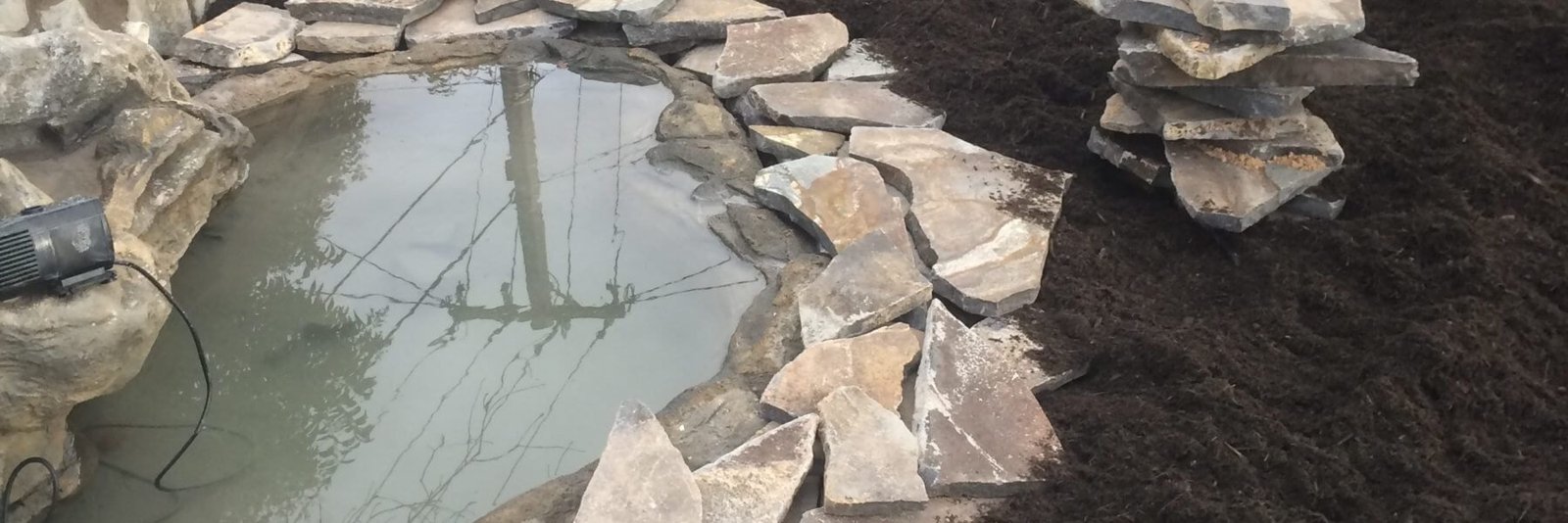
Outdoor spaces are an important part of residential and commercial properties. A well-maintained garden, a neatly paved pathway or a comfortable entertaining area can improve how people use and enjoy their surroundings. In Canberra, landscaping projects need to consider seasonal weather changes, soil conditions, drainage and the specific requirements of each property. Understanding the available options can help property owners make better decisions and find More information about creating outdoor spaces that are attractive, functional and easier to maintain.
A successful landscaping project involves several stages, from initial planning and excavation to paving, retaining walls, fencing and garden maintenance. Each element should be considered carefully to ensure the finished space meets practical needs as well as visual expectations.
Planning a Landscape Around Your Property
Every property has different landscaping requirements. A residential backyard may need a lawn for children, a paved area for entertaining or garden beds that add colour and natural texture. Commercial properties often require welcoming entrances, accessible pathways, organised green spaces and durable outdoor surfaces.
The first step is to assess the available space and understand how it will be used. Factors such as sunlight, existing vegetation, soil quality, ground levels and drainage can influence the design.
A practical landscaping plan should include:
-
The intended use of each outdoor area.
-
The property’s existing layout and ground conditions.
-
Suitable locations for plants, lawns and paved surfaces.
-
Material choices and maintenance requirements.
-
Drainage arrangements and access considerations.
-
Budget and future landscaping priorities.
Good planning helps different features work together and reduces the likelihood of expensive changes during construction.
Landscaping Design for Residential and Commercial Spaces
Landscaping design combines practical requirements with the visual appearance of an outdoor area. The aim is to make the available space useful while creating a consistent look that complements the property.
For residential properties, this might involve combining natural turf, garden beds, paved pathways and outdoor seating areas. Trees and shrubs can provide shade and privacy, while garden edging helps separate lawns from planted sections.
Commercial landscaping requires a focus on accessibility, durability and presentation. Office buildings, retail premises and other business properties may benefit from clearly defined walkways, tidy garden beds and well-organised entrance areas.
The design should also consider how the landscape will change over time. Plants need enough room to grow, and pathways should remain accessible as surrounding vegetation develops.
Excavation and Proper Ground Preparation
Site preparation is essential for achieving a stable and functional landscape. Before installing paving, retaining walls, turf or garden beds, the existing ground should be assessed and prepared.
Excavation may involve removing unwanted soil, clearing vegetation, taking out old concrete or adjusting ground levels. These activities create suitable spaces for the planned landscaping features.
Ground preparation should also address drainage. Poor water management can lead to pooling, soil erosion and damage to outdoor surfaces. Appropriate grading and drainage solutions help direct water away from areas where it may cause problems.
Other preparation tasks include removing unsuitable materials, improving soil conditions and establishing stable foundations for structures. The preparation method should always reflect the type of installation and the conditions of the site.
Paving for Functional Outdoor Areas
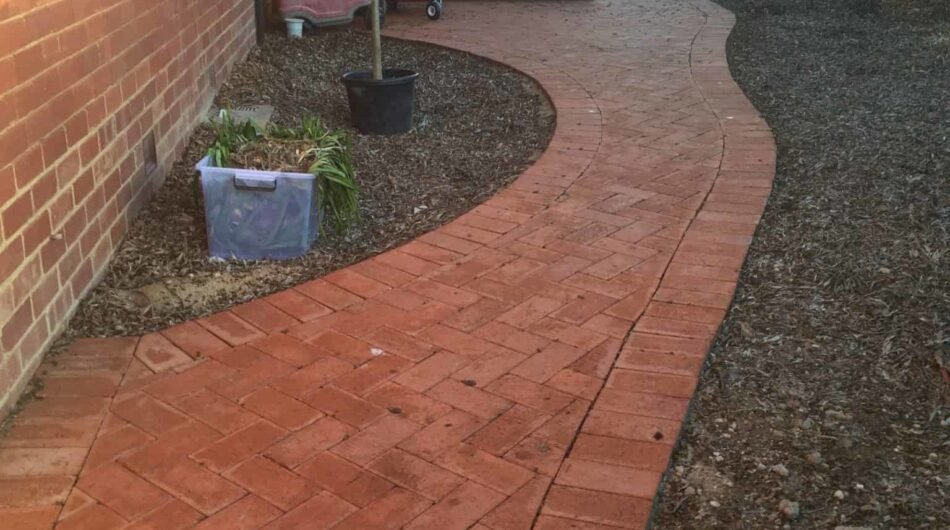
Paving is a popular landscaping feature because it creates practical surfaces for walking, entertaining and accessing different parts of a property.
Residential properties can use paving for patios, garden pathways, courtyards and outdoor dining areas. Commercial properties may require paved entrances, pedestrian routes and shared outdoor spaces.
There are several materials available, including concrete pavers, natural stone and clay pavers. Each offers different colours, textures and maintenance requirements.
When choosing paving, consider the expected foot traffic, exposure to weather, surface finish and overall appearance. Slip resistance is particularly important in areas that become wet.
Professional installation involves preparing a suitable base, setting accurate levels and allowing for appropriate drainage. These steps help reduce the risk of uneven surfaces and movement over time.
Retaining Walls for Sloping Properties
Uneven ground can make it difficult to use all parts of a property. Retaining walls provide a practical way to manage changes in ground level and create more organised outdoor areas.
For example, a sloping backyard can be divided into level sections for lawns, garden beds or seating areas. Retaining walls can also create boundaries between different parts of a landscape.
Common materials include concrete sleepers, masonry blocks and natural stone. The right choice depends on the wall height, soil conditions, drainage requirements and desired appearance.
Proper construction is important because retaining walls must withstand pressure from the soil behind them. Suitable foundations, structural design and drainage provisions should be considered. Larger or more complex walls may require engineering advice and relevant approvals.
Fencing for Privacy and Safety
Fencing helps define property boundaries, improve privacy and create separation between outdoor areas. It is useful for both residential gardens and commercial properties.
Timber fencing offers a natural appearance, while Colorbond fencing provides a consistent finish and is commonly used for boundary separation. Tubular fencing may suit commercial settings where visibility is required. Glass fencing can be considered for swimming pool areas and selected outdoor spaces.
Before installation, property owners should check boundary positions, material suitability, height restrictions and local regulations. Pool fencing must comply with applicable safety standards.
A suitable fence should complement the landscape while meeting the property’s practical requirements.
Choosing Suitable Landscaping Materials
Quality materials influence how an outdoor space looks and performs over time. Selecting products according to their purpose can help create a balanced and manageable landscape.
Some commonly used materials include:
Turf: Natural turf provides green areas for relaxation and recreation. The right variety should suit sunlight, soil conditions, water availability and expected foot traffic.
Soil: Suitable topsoil and soil conditioners provide growing conditions for lawns, shrubs and garden plants.
Mulch: Mulch helps retain moisture, reduce weed growth and protect exposed soil. Organic mulch can also contribute organic matter as it decomposes.
Stones: Decorative stones and pebbles add texture to garden beds and can be used for pathways and selected ground-cover areas.
Pavers: Concrete, clay and natural stone pavers provide durable surfaces for patios, courtyards and walkways.
Garden edging: Metal, concrete and stone edging help create clear boundaries between lawns, garden beds and paved areas.
Material selection should take into account durability, maintenance, drainage and compatibility with the surrounding design.
Garden Maintenance for Lasting Results
Landscaping requires ongoing care after installation. Regular maintenance helps keep lawns healthy, garden beds organised and outdoor areas presentable.
Typical tasks include mowing, pruning, hedge trimming, weeding, mulching and removing garden waste. Commercial properties may also need scheduled cleaning and maintenance of pathways, entrances and shared outdoor areas.
Canberra’s seasonal conditions can affect maintenance routines. Lawns may need more attention during warmer months, while cooler periods can provide opportunities for pruning and preparing garden beds.
Choosing suitable plants and manageable materials from the beginning can make ongoing maintenance more straightforward.
The Importance of Professional Installation
A landscaping project involves several connected activities, and mistakes during one stage can affect the rest of the work. Excavation influences ground levels, paving requires stable foundations, and retaining walls need suitable drainage and structural support.
Professional installation helps ensure that these requirements are considered throughout the project. It also allows different stages of work to be coordinated and materials to be selected according to site conditions.
Before construction begins, property owners should discuss the project scope, material options, budget and maintenance expectations. Clear communication helps establish realistic expectations and supports better project planning.
Conclusion
A well-planned outdoor space combines practical features with an attractive and organised appearance. From landscaping design and excavation to paving, retaining walls, fencing and garden maintenance, every element should suit the property’s layout and intended use.
For Canberra property owners, careful site preparation, appropriate material selection and professional installation are essential considerations. By planning each stage properly, residential and commercial properties can benefit from outdoor spaces that remain functional, comfortable and manageable throughout the changing seasons.
Location
Related Ads














Leave feedback about this