

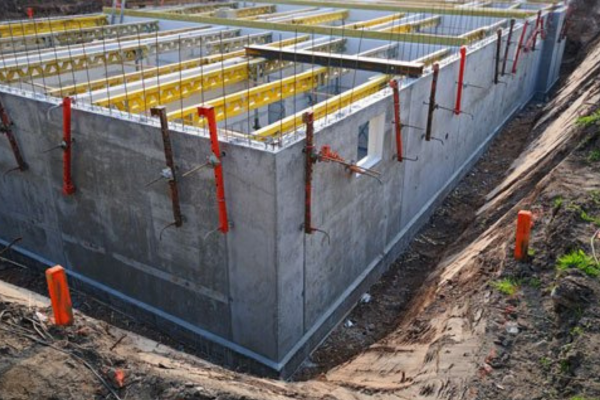
Slab Foundation in Rowlett, TX: A Complete Informational Guide
A slab foundation is one of the most common residential foundation types in Rowlett, TX. Due to North Texas soil conditions, understanding how slab foundations work, what problems they face, and how they are repaired is essential for homeowners. This guide explains slab foundations from a technical and regional perspective, helping Rowlett property owners make informed decisions about maintenance and long-term structural health.
What Is a Slab Foundation?
A slab foundation is a single, thick layer of concrete poured directly onto prepared soil. Unlike pier-and-beam systems, slab foundations do not include crawl spaces. In Rowlett, TX, slab foundations are widely used because they are cost-efficient, quick to construct, and suitable for flat terrain.
Slab foundations typically include:
- Reinforced concrete
- Integrated plumbing lines
- Steel rebar or post-tension cables
- A moisture barrier beneath the slab
Because plumbing is embedded in the concrete, slab foundation issues can be more complex when repairs are required.
Why Slab Foundations Are Common in Rowlett, TX
Rowlett is located in North Texas, an area known for expansive clay soil. This soil expands when wet and contracts during dry conditions, creating movement beneath homes. Slab foundations are designed to distribute weight evenly across the soil, making them a practical solution in this region.
However, soil movement also increases the risk of slab foundation damage over time, particularly during seasonal weather changes common in Rowlett.
Understanding Rowlett, TX Soil Conditions
Rowlett’s soil contains a high clay content, which reacts strongly to moisture changes. This movement places stress on slab foundations and can lead to:
- Cracking
- Settlement
- Structural imbalance
Prolonged droughts followed by heavy rainfall are especially problematic. Proper drainage and moisture control play a major role in protecting slab foundations in Rowlett neighborhoods.
Common Slab Foundation Problems in Rowlett, TX
Cracks in Floors or Walls
Cracks often appear when sections of the slab shift unevenly. These may start small but can worsen if underlying soil movement continues.
Uneven or Sloping Floors
Foundation settlement may cause noticeable slopes inside the home. Furniture may tilt, and doors may swing open or closed unexpectedly.
Plumbing Leaks Beneath the Slab
Because plumbing lines run through the concrete, leaks can erode soil beneath the slab, accelerating foundation movement.
Doors and Windows Sticking
Shifting foundations can distort door and window frames, making them difficult to open or close properly.
Causes of Slab Foundation Damage
Soil Expansion and Contraction
Clay soil swelling and shrinking remains the leading cause of slab foundation movement in Rowlett.
Poor Drainage
Improper water runoff around the home allows moisture to collect beneath the slab, increasing soil expansion.
Tree Roots
Large trees near homes can draw moisture from the soil, causing uneven drying and foundation settlement.
Plumbing Failures
Undetected slab leaks can wash away supporting soil and compromise slab stability.
Signs Your Slab Foundation May Need Attention
Homeowners in Rowlett should monitor their homes for early warning signs, including:
- New or widening cracks
- Gaps between walls and ceilings
- Uneven tile or hardwood flooring
- Persistent plumbing issues
Early detection often reduces repair complexity and long-term costs.
How Slab Foundation Repairs Are Evaluated
Professional foundation assessments involve:
- Measuring floor elevations
- Inspecting visible cracks
- Evaluating drainage patterns
- Checking plumbing pressure tests
Companies such as All Star Foundation Repair conduct detailed evaluations to determine whether foundation movement is active or stable and what corrective measures may be appropriate.
Common Slab Foundation Repair Methods
Concrete Pressed Piers
Concrete cylinders are driven into the soil beneath the slab to stabilize settling areas.
Steel Piers
Steel piers extend deeper into stable soil layers, offering long-term support for slab foundations experiencing significant movement.
Mudjacking
A grout mixture is pumped beneath the slab to fill voids and raise sunken sections.
Plumbing Rerouting
When slab leaks are present, plumbing lines may be rerouted to prevent further erosion beneath the foundation.
For more technical information about slab foundation construction and repair, visit the detailed resource on slab foundation systems.
Slab Foundation Maintenance for Rowlett Homes
Preventive care is essential due to local soil conditions. Homeowners can help protect slab foundations by:
- Maintaining consistent soil moisture
- Ensuring proper drainage away from the foundation
- Avoiding overwatering landscaping near the home
- Monitoring plumbing systems for leaks
Foundation health is directly tied to moisture control in Rowlett’s climate.
Slab Foundation vs Pier and Beam Foundations
Slab foundations differ significantly from pier and beam systems:
| Feature | Slab Foundation | Pier & Beam |
| Crawl Space | No | Yes |
| Cost | Lower | Higher |
| Plumbing Access | Limited | Easier |
| Soil Sensitivity | Higher | Moderate |
Slab foundations are efficient but require careful monitoring due to soil movement in Rowlett.
Why Local Knowledge Matters in Rowlett, TX
Foundation behavior varies by region. Repair methods effective in other states may not address North Texas soil challenges. Local experience allows foundation professionals to account for:
- Clay soil behavior
- Seasonal weather patterns
- Neighborhood grading issues
Homeowners can learn more about regional foundation conditions by visiting the Rowlett service area page from All Star Foundation Repair.
Long-Term Impact of Ignoring Slab Foundation Issues
Unaddressed slab foundation problems can lead to:
- Structural instability
- Increased repair costs
- Plumbing damage
- Reduced property value
Foundation movement rarely corrects itself and typically worsens without intervention.
Slab Foundations and Property Value in Rowlett
Foundation condition plays a major role in real estate transactions. Buyers and inspectors closely evaluate slab integrity. Homes with documented foundation stability often maintain stronger resale value in the Rowlett housing market.
Frequently Asked Questions (FAQs)
1. What is a slab foundation?
A slab foundation is a concrete base poured directly onto the ground without a crawl space.
2. Are slab foundations good for Rowlett, TX?
Yes, they are common, but they require monitoring due to expansive clay soil.
3. What causes slab foundation cracks?
Soil movement, moisture changes, and plumbing leaks are common causes.
4. How do I know if my slab foundation is settling?
Signs include cracks, sloping floors, and sticking doors or windows.
5. Can slab foundation problems get worse over time?
Yes, foundation movement typically progresses if not addressed.
6. Are slab foundation repairs permanent?
Many modern repair methods provide long-term stabilization when properly designed.
7. How does Rowlett soil affect slab foundations?
Clay soil expands and contracts, placing stress on concrete slabs.
8. Can plumbing leaks damage slab foundations?
Yes, leaks beneath the slab can wash away supporting soil.
9. Is foundation inspection necessary before buying a home?
Yes, especially in North Texas where soil conditions are challenging.
10. How often should slab foundations be inspected?
Every few years, or sooner if new structural symptoms appear.
Final Thoughts
Understanding slab foundations is essential for homeowners in Rowlett, TX. Soil behavior, moisture control, and early detection all play critical roles in maintaining structural stability. With proper knowledge and professional evaluation, slab foundations can perform effectively for decades, even in challenging North Texas conditions.
This informational guide aims to help Rowlett residents recognize, understand, and manage slab foundation systems with confidence.
Location
Business Hours
| Open | Close | ||
|---|---|---|---|
| Monday | Open (24 Hours) | ||
| Tuesday | Open (24 Hours) | ||
| Wednesday | Open (24 Hours) | ||
| Thursday | Open (24 Hours) | ||
| Friday | Open (24 Hours) | ||
| Saturday | Open (24 Hours) | ||
| Sunday | Open Today (24 Hours) | ||

Leave a Comment